Burnout rarely shows up all at once. It usually creeps in through small changes in how we work, speak, and think. For many clinicians, one of the first places it shows up is in the way we use medical dictation software.
As the year-end holidays collide with flu season and packed schedules, it gets harder to notice those early clues. In this busy stretch, our dictation style, note quality, and even our voice can quietly reflect how tired we really are. When we start to read those signals, we can make thoughtful changes that protect our energy and our documentation.
Cold mornings, dark evenings, and full waiting rooms are a tough mix. Patients need a lot, families need a lot, and the inbox never seems to slow down. It is very easy to slip into survival mode and miss how drained we are becoming.
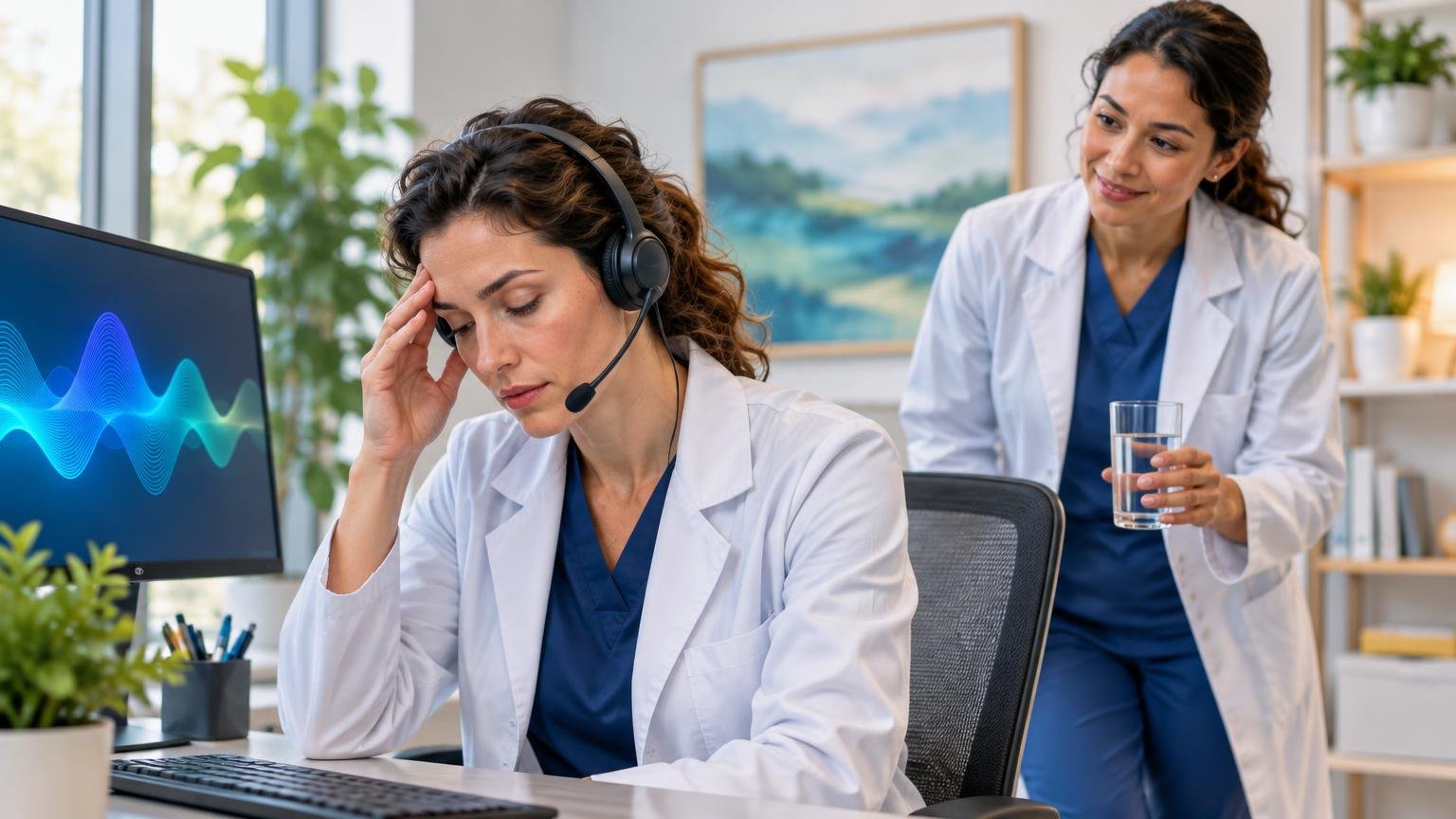
Your voice often tells the truth before your mind does. Medical dictation workflows can reveal signs such as:
These are not character flaws. They are quiet signals that the workload and emotional weight might be too high. When we start paying attention to how we use our speech tools, we gain an early warning system. That awareness gives us a chance to adjust our workflow, protect our well-being, and keep our notes clear and useful.
One of the clearest burnout clues is a rise in small errors. It can look like the software is suddenly worse, but often it is our tired brains struggling to keep up.
Watch for patterns like:
If this happens mostly late in the day or late in the year, it might point more to fatigue than technology.
Your pacing and word choices also carry emotional weight. When we are stressed, we may:
Avoidance is another strong sign. Many clinicians start to:
These habits often show up when mental fuel is low. They are very human responses, but over time they raise risk for missed information and deeper burnout.
As burnout grows, note quality often shrinks. It is not that we forget how to write a good note; we just do not have the same mental space to do it.
You might notice:
When the narrative gets this thin, it can affect clinical decisions, handoffs, and continuity of care. It also makes future visits harder, because the story of the patient is not as clear on the page.
Another clue is heavy copy-paste use. Templates and reused text are helpful tools, but during burnout, they can turn into a crutch. Overreliance can lead to:
Medical dictation software can also reveal shifts like:
These small changes, stacked together, can say a lot about your mental load.
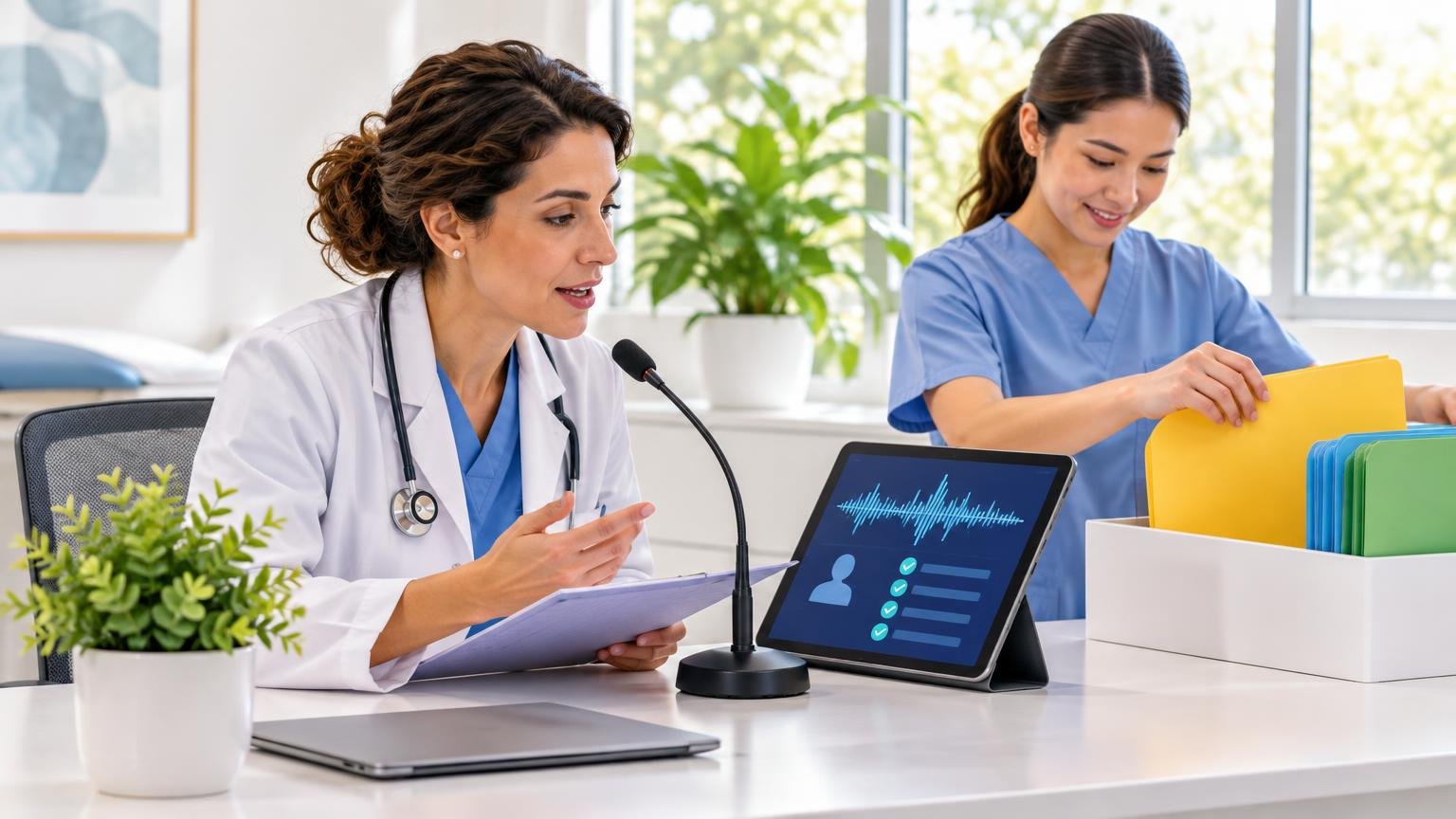
Modern medical dictation software is not just about turning speech into text. Used thoughtfully, it can help you notice when your workflow is under strain.
Some helpful data signals might include:
These patterns can point to when you are most tired and which parts of your schedule hit you hardest.
Good speech tools also cut cognitive load by turning common tasks into quick voice actions. With features like:
you spend less effort on clicking, hunting, and typing. That leaves more mental room for clinical thinking instead of fighting the chart.
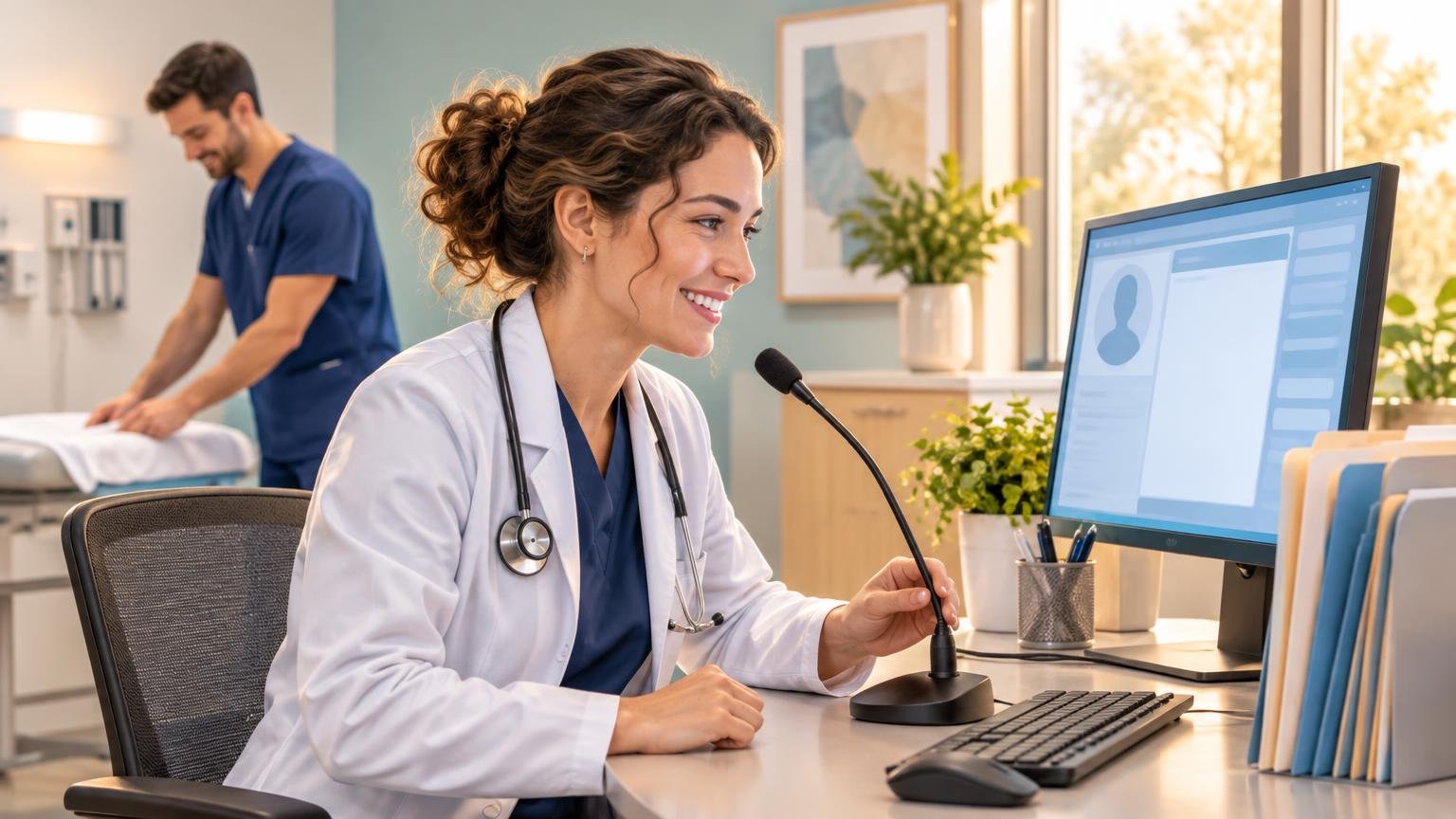
Real-time, natural speech recognition can also support presence at the point of care. When you document in the room, you:
During the busy holiday season, that separation can make a big difference.
We cannot erase winter surges or packed schedules, but we can build small habits inside our dictation workflow that support mental health.
Try quick burnout check-ins during your day. For example, after every ten notes, pause for thirty seconds and ask:
If the answer is yes, that is a signal to slow down, not a reason to be hard on yourself.
Between patients, tiny resets can help you clear mental clutter. Simple options include:
These resets do not fix burnout on their own, but they keep the stress from stacking as quickly.
It also helps to let your speech tools carry more of the load, especially during high-demand months like December and early January. You can:
The goal is simple: fewer clicks, fewer decisions, more focus on the patient and yourself.
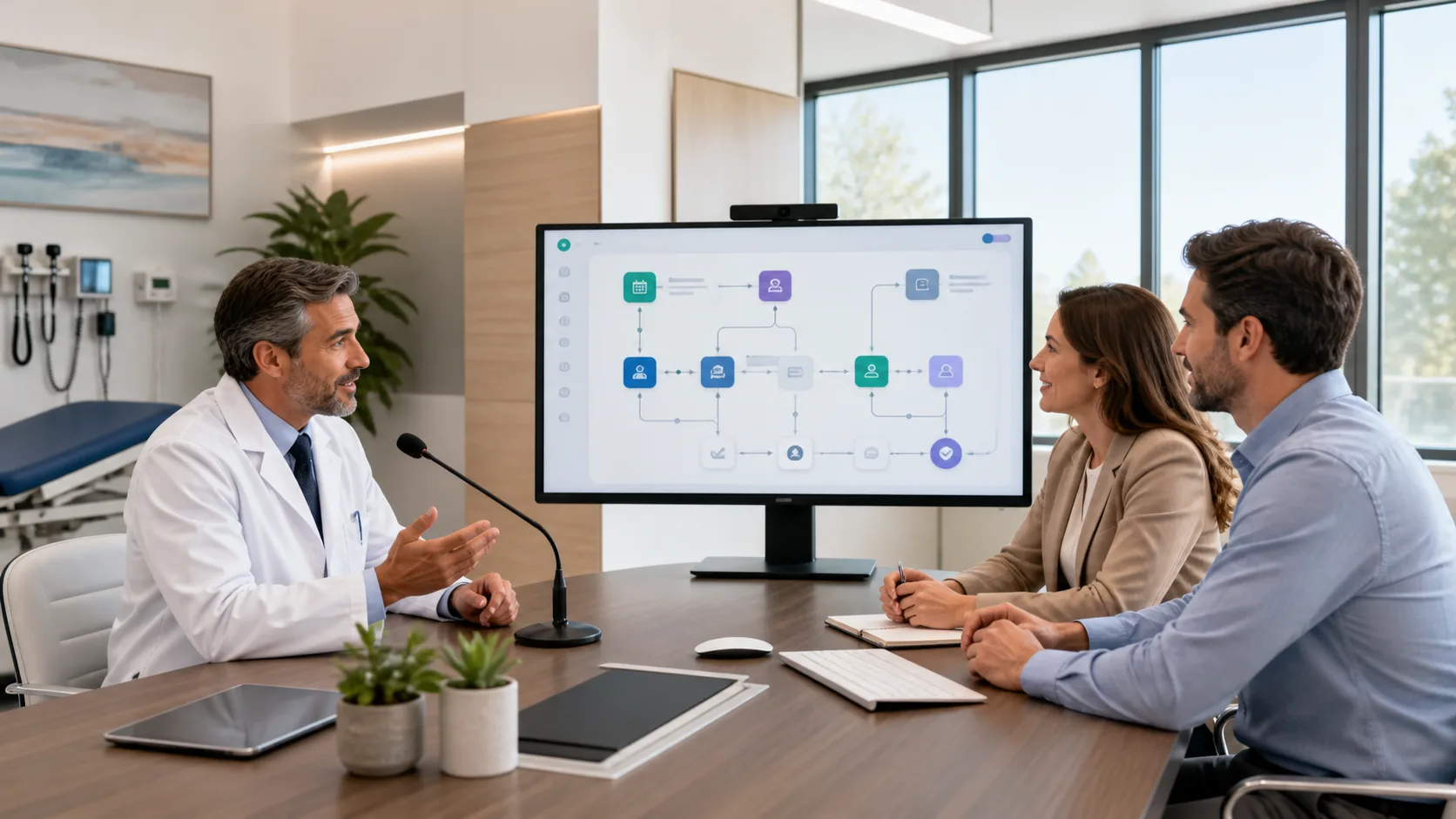
Instead of seeing dictation struggles as personal failures, we can treat them as important feedback. Patterns in your medical dictation workflow can guide decisions about staffing, scheduling, and support.
Some clinicians find it helpful to set clear triggers for action, such as:
When we treat these signals as data, not judgment, we can respond earlier and more kindly.
At DragonMedical.one, we focus on Nuance Dragon Medical One, a cloud-based medical speech recognition platform that helps clinicians create accurate clinical documentation more quickly than typing. Used with intention, tools like this can not only streamline your charts and reduce after-hours work; they can also act as an early warning light, showing when your dictation habits are shifting in ways that might point to burnout. By listening to those clues, we give ourselves a better chance to protect our patients, our practice, and our own well-being before stress quietly takes over.
If you are ready to reduce clicks and reclaim more time with patients, our medical dictation software can help you document faster without sacrificing accuracy. At DragonMedical.One, we work with you to align voice workflows with your specialty, EHR, and existing processes. Reach out through our contact page so we can discuss your needs and map out a practical path to implementation.