The dangers of physician burnout and fatigue in the healthcare sector is a growing problem. For years, well before the COVID pandemic, physicians, experts, and doctors stare down long weeks, extensive hours, and numerous patients. But health is a critical concern, and medical problems don’t take a vacation.
When medical staff suffer from stress and burnout, their performance is affected. This performance drop hurts everyone involved, even when it’s not intentional. When strained, physician burnout leads to increased detachment, exacerbated fatigue, irritation, less fulfillment, and overall, weakened care. Therefore, patients are not getting the help they need, and healthcare professionals are stuck in an exhausting cycle.
While it would be great to hope for vastly improved resources and conditions in the healthcare sector, for now, professionals must utilize what’s currently available. But, it’s not hopeless. There are still various tools to take advantage of which cut down on redundant tasks and help improve patient care.
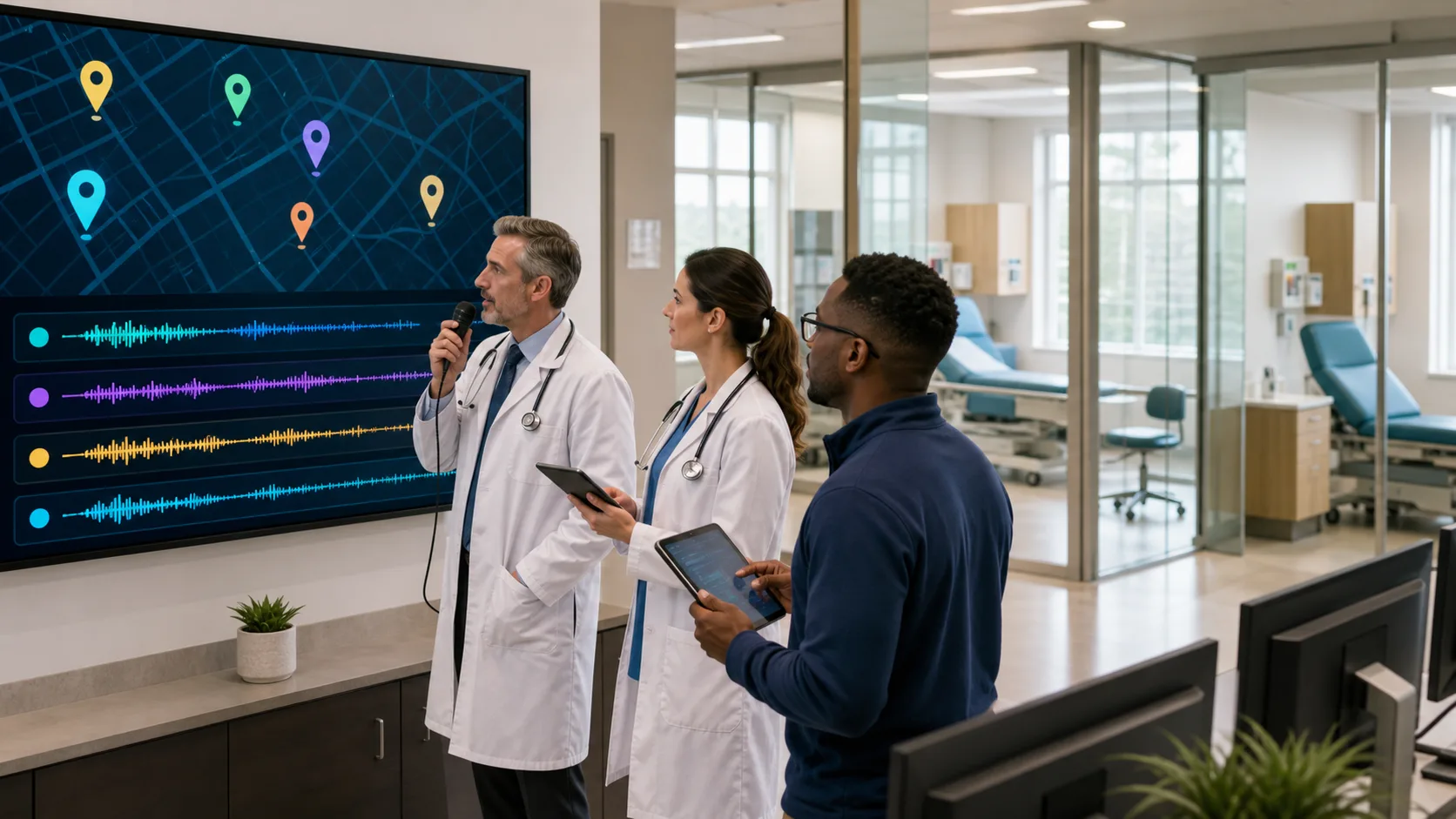
Dragon Medical One addresses a key characteristic of patient care: the creation and recording of a patient’s medical encounter. Any healthcare professional will know the intensive paperwork required before, during, and after patience aid. In hospital and emergency settings it’s especially intensive. Reducing this grind is beneficial, not only for time reasons, but money too. And, it helps with caregiver fatigue and burnout, improving the quality of doctor-to-patient care.
That’s because Dragon’s speech to text model takes the grind out of the documentation process. Dragon’s dictation is an accurate process for recording details on the fly, allowing healthcare professionals a greatly needed assist and a fast, accurate way to record patient data. By doing so, it assists with the patient care process. Why?
Since the Dragon Medical One software removes fatiguing grind, it allows clinicians and caregivers to better focus on their patients. Patients need attentive care and full attention from healthcare professionals to optimally treat their conditions. Removing fatigue and burnout helps physicians accomplish this. A handful of reasons for this is:
Better yet, the Dragon software suite is not difficult to set up. It’s mobile ready, meaning you can dictate from anywhere and develop fast, accurate reports. Dragon’s speech-recognition is incredibly accurate as well, a 1 to 1 result when dictating medical info and data. The bottom line is, it benefits healthcare professionals, and therefore, helps patients. It’s less time at the desk, and more time with the patient.