Clinical documentation can feel like a second shift. Summer makes it even harder. Patient volume jumps, people head out on vacation, and the notes still have to be done. Many clinicians end up staying late, clicking through fields and typing long narratives when they would rather be resting or with family.
Healthcare speech recognition started as a simple way to talk instead of type. Now it is becoming something bigger. Voice, cloud technology, and smart workflows are turning documentation into a shared process. Instead of one person wrestling with a note alone, the whole care team can see, use, and build on that work in real time.
That is the idea behind cloud-based healthcare speech recognition. Spoken clinical insights turn into structured, shareable content that follows the clinician from one Windows-based workstation to another. When documentation works this way, it stops being a burden and starts helping teams move together, even during the busiest summer days.
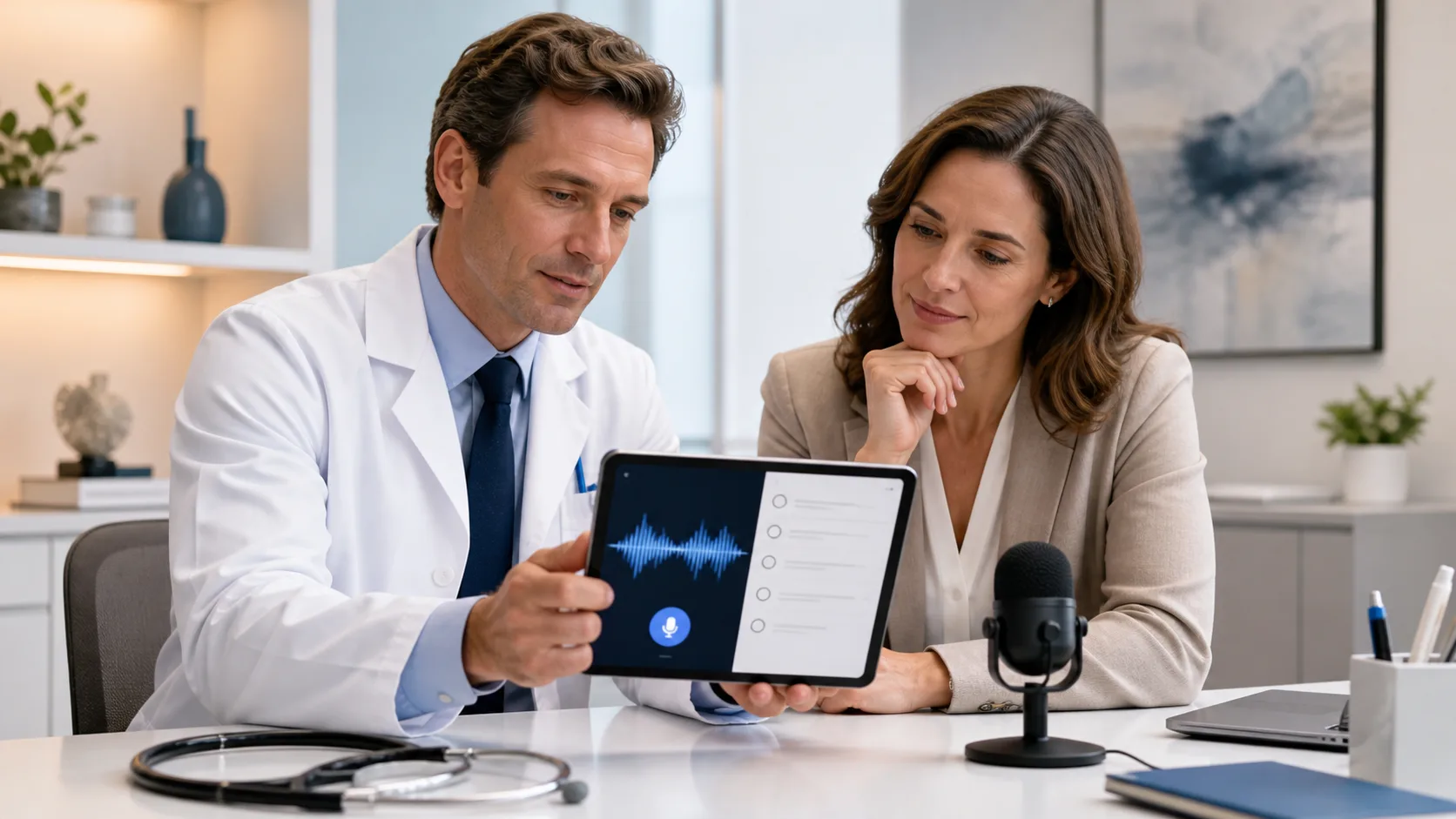
Old-school dictation was a one-way street. A clinician talked, someone else typed, and the note showed up later. With cloud-based healthcare speech recognition, that gap closes. The note appears in the record right away, ready for others to read, add to, and act on.
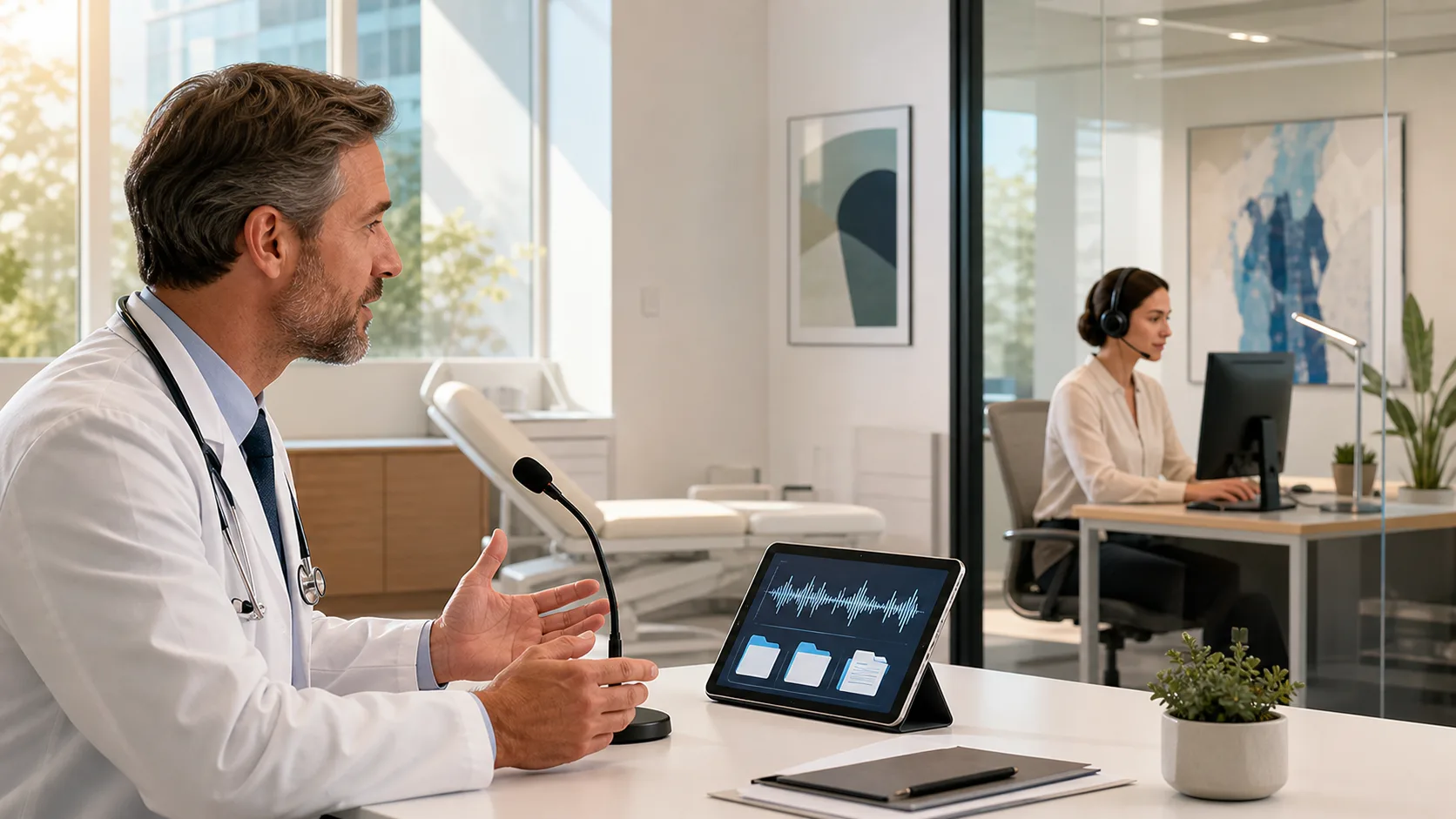
Think about a busy clinic during a heat wave. A clinician sits down, signs into any Windows-based workstation, and dictates a full history, physical exam, and plan using their voice. As soon as they finish, that note is visible to the rest of the team.
Different people can touch that same note over time, such as:
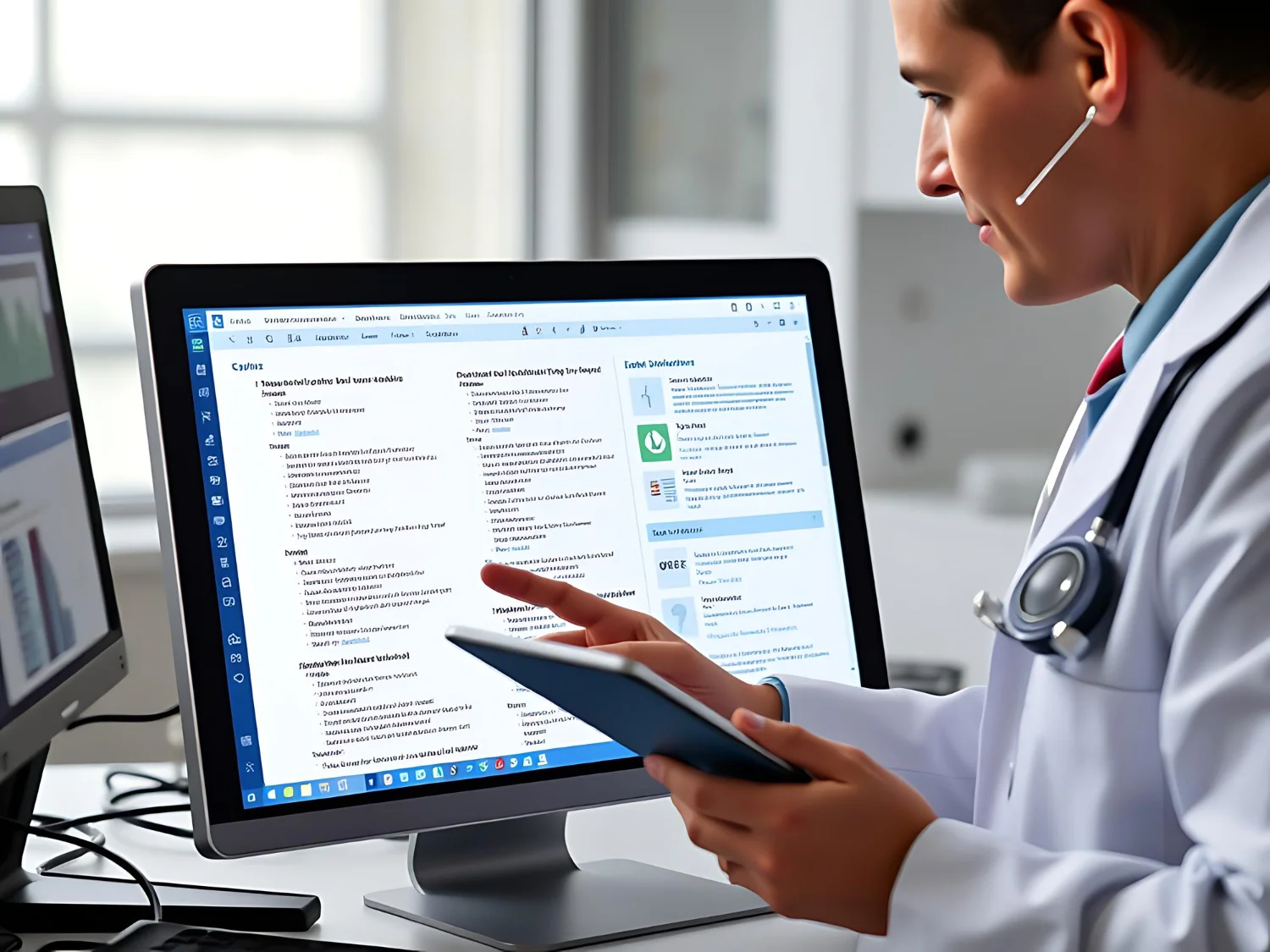
Because modern healthcare speech recognition tools understand medical terms and phrases, the shared note is easier for everyone to read and trust. Built-in voice commands and AutoText help keep structure consistent. Instead of each person writing in a different style, the team uses the same sections and wording.
This turns every dictated note into a living document. If the nurse needs to clarify a symptom, they can see exactly what was said. If the clinician wants to update the plan after a phone call, they can quickly add a clear addendum. The note becomes a center point for communication, not just a record for the chart.
Once teams get comfortable speaking their notes, the next step is making those notes more predictable. AutoText templates in healthcare speech recognition tools let clinicians build, save, and share common structures that match how they actually work.
For example, teams might build shared templates for:
With AutoText, a clinician can use a voice command to pull in a full, structured note starter, then fill in the details by dictating. Because the template is shared, everyone uses the same headings and phrasing. That reduces confusion during handoffs and makes it easier for others to find what they need.
These shared templates support evidence-based practice too. When a guideline or seasonal protocol changes, clinical leaders can update the AutoText centrally. Once it is updated, everyone using that shared template benefits, without needing to rebuild their own personal shortcuts. Over time, this builds a common language that connects physicians, nurses, and allied health professionals across departments and sites.
Documentation is not only about care. It also supports coding, billing, reporting, and quality work. When notes are more accurate and structured, people downstream spend less time chasing missing details.
Here is where collaboration grows:
Instead of sending repeated queries to busy clinicians, coders and clinical teams can agree on the best way to document certain conditions or treatments. Those standards then live inside the healthcare speech recognition workflow, so they are part of daily work, not a separate checklist.
Health IT Teams can also use analytics from the cloud platform to see where people struggle. Maybe a certain template is rarely used, or a service line has longer note times during summer onboarding. That information can guide better EHR layouts, smarter AutoText libraries, and focused training for new staff and residents. The result is shared ownership of data quality and less friction for everyone.
Summer schedules can get messy. Clinicians cover multiple clinics, rotate through hospitals, and log in from different locations. Travel, telehealth visits, and locum coverage add even more movement. Cloud-native healthcare speech recognition is built for this kind of flexible, hybrid work.
Because voice profiles are stored in the cloud, clinicians can:
That consistency matters when teams are covering for each other. If one clinician is on vacation, a colleague can open recent notes and see clear, familiar structures and language. Handoffs feel smoother. Patient context is easier to follow, even when people are moving across buildings or sites.
This kind of resilient workflow is especially helpful during seasonal surges. When schedules shift and new people come on board, shared templates and cloud-based speech recognition give everyone the same starting point. Documentation keeps up, even when the calendar does not.
Healthcare speech recognition is no longer just about talking faster than you can type. Used well, it becomes a collaboration engine that connects clinicians, care teams, coders, and IT around a common goal: clear, consistent documentation that supports better care and smoother operations.
Dragon Medical One is built as a cloud-based medical speech recognition platform that turns spoken clinical insights into accurate notes from any Windows-based workstation. With high-accuracy dictation, built-in voice commands, AutoText, and mobile microphone choices, it helps teams turn everyday documentation into a shared, reliable asset.
As seasons change and patient volumes rise, organizations that treat documentation as a team sport will be better prepared. When every dictation becomes a team effort, everyone wins: clinicians, staff, and most of all, patients.
If you are ready to reduce charting time and regain more focus for patient care, our healthcare speech recognition solution can help streamline your workflows. At Dragon Medical One, we work with practices and health systems of all sizes to deliver secure, reliable dictation that fits your existing EHR. Tell us about your goals, timelines, and technical environment so we can recommend the right approach. To explore next steps or request a demo, simply contact us.