Clinical documentation keeps care moving, but it can also drain a day. Notes, messages, refill requests, letters, and visit summaries all need clear, accurate words on the record. As the year winds down and budgets get set, many leaders look at one big question: how will we handle all this charting without burning out our clinicians?
Both medical dictation software and human transcription try to solve the same problem. A clinician speaks, and someone or something turns that speech into clean, compliant text. The tools may be different, but the goal is simple: better notes with less stress. Here, we compare how each option affects speed, accuracy, cost, security, and daily workflow, so you can plan the right mix for the years ahead.
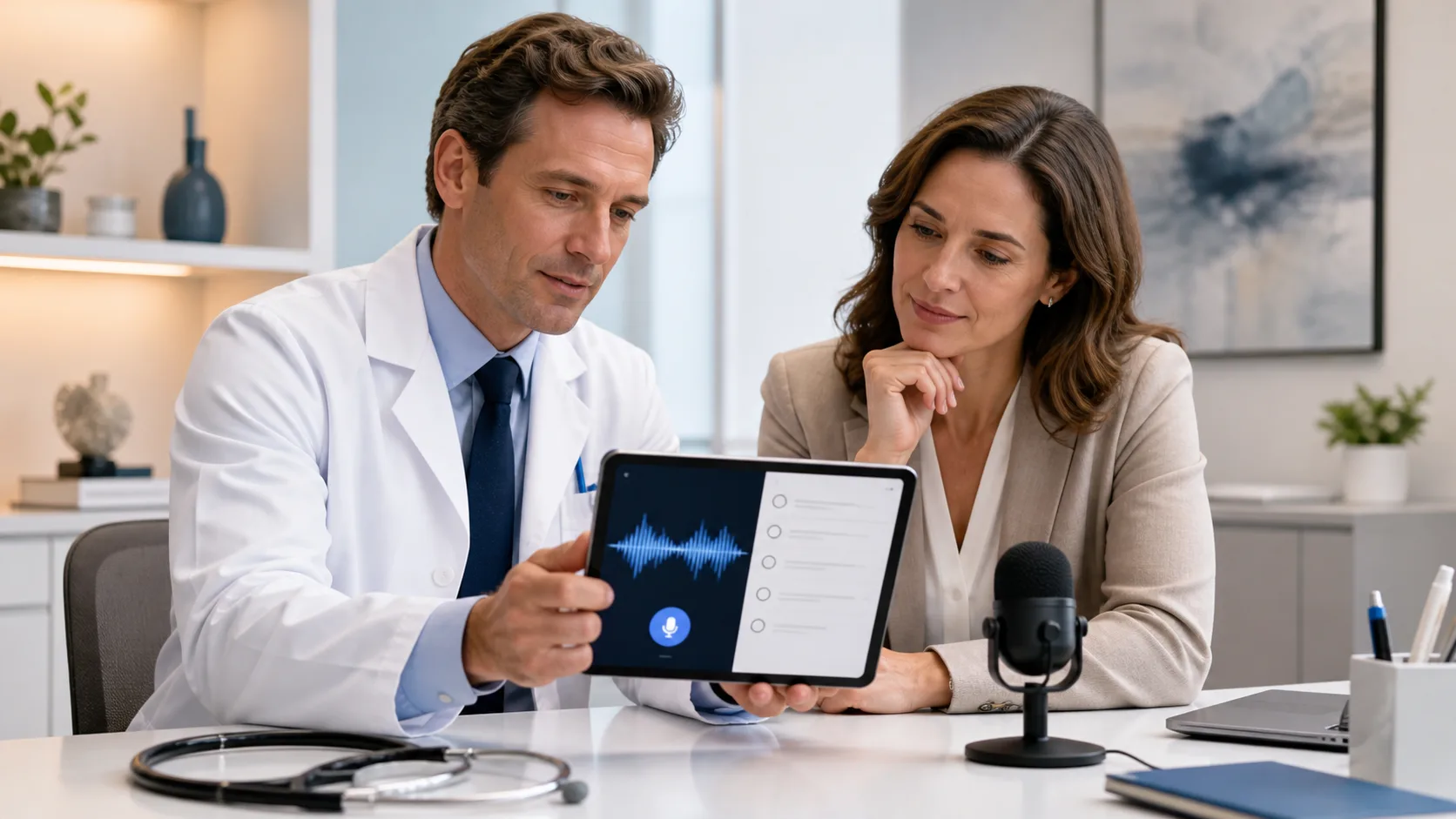
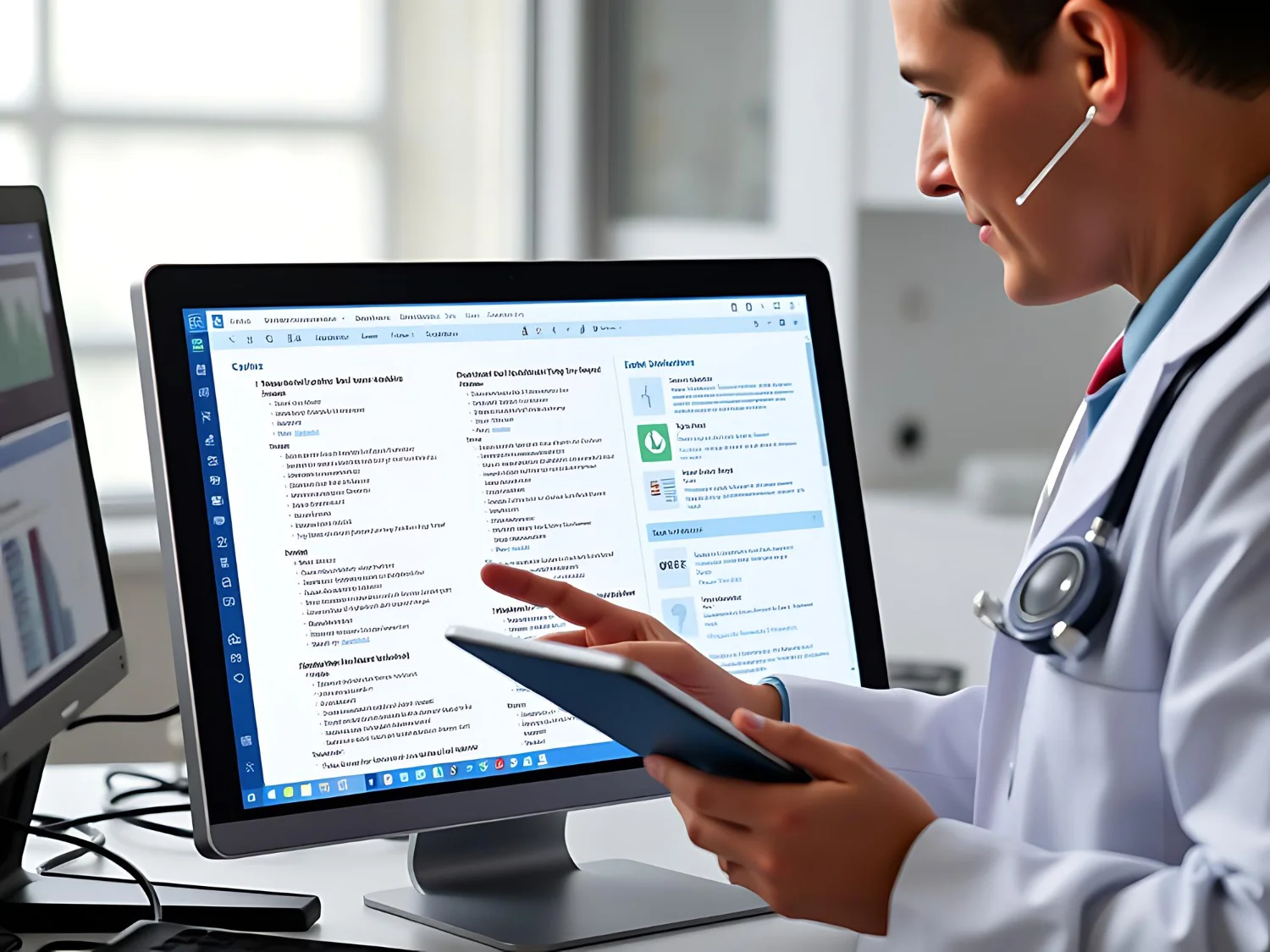
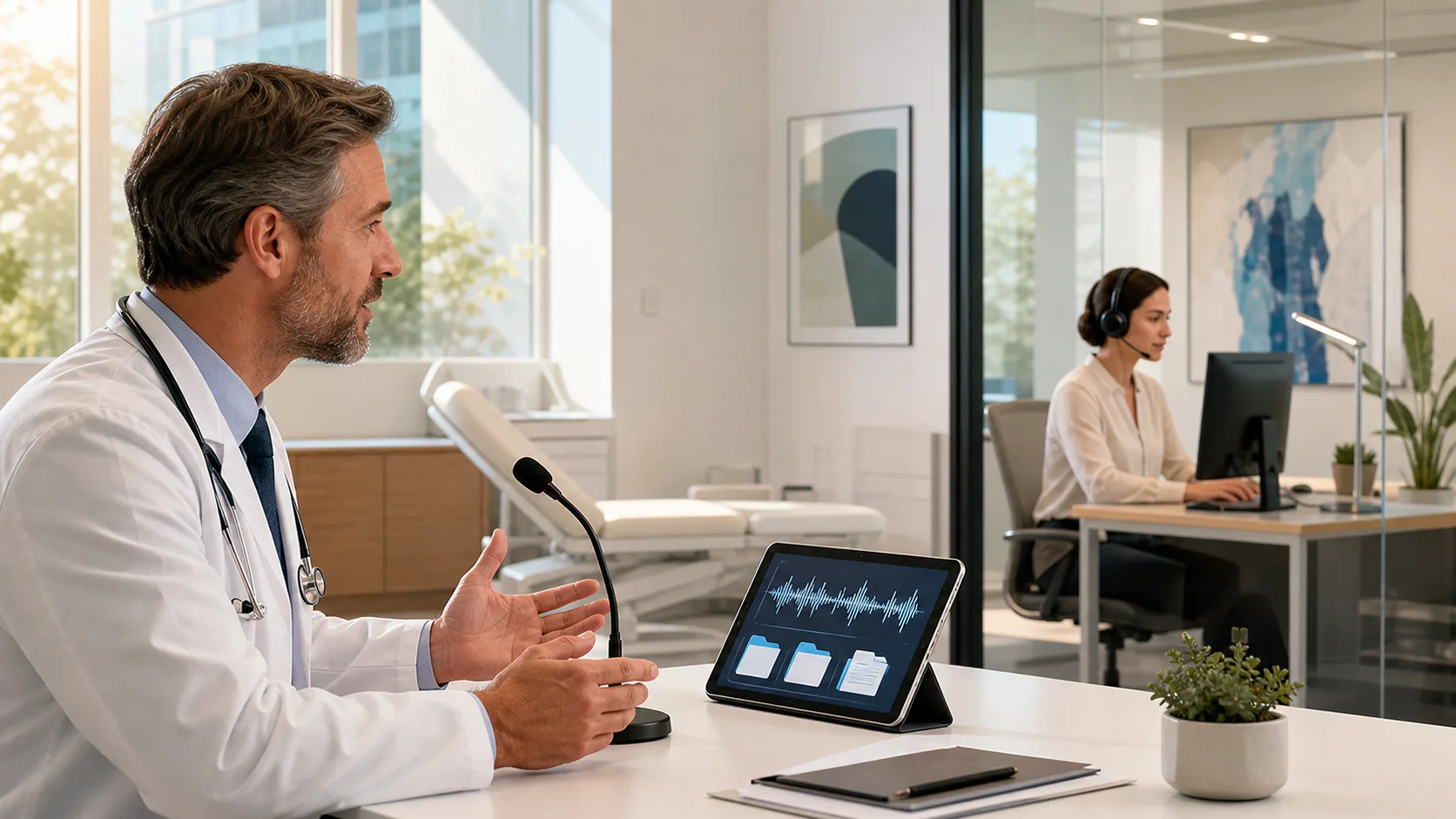
Modern medical dictation software listens as clinicians talk and turns their words into text in real time. With cloud-based tools like Nuance Dragon Medical One, a clinician can speak naturally while looking at the screen in the exam room, office, or home workspace, and the words appear directly inside the EHR.
These platforms are built for healthcare, not general office work. They are designed to include:
That real-time feedback is a big deal. When a clinician can see and correct a note as they speak, they are less likely to carry hours of charting home at the end of the day. This helps cut down on late-night documentation and supports care across many settings, from telehealth visits to remote outreach clinics.
Because it is cloud-based, software like this follows the clinician instead of being tied to a single workstation. On a busy winter day when the schedule is packed and the weather is rough, being able to dictate from wherever they are working can keep documentation on track.
Human transcription has been part of healthcare for a long time. The typical flow is simple: a clinician records a dictation, the audio lands in a queue, a transcriptionist types it out, someone reviews it, then the final report returns to the clinician for sign-off.
Skilled medical transcriptionists bring strengths that still matter:
But there are trade-offs. Human transcription usually means lag time. Notes may not be ready for same-day sign-off, especially during busy periods, holidays, or when staffing is tight. Queues can grow, and that can slow down items like referral letters or detailed consult notes that other clinicians are waiting to review.
This delay does not only affect records. It can also affect how clearly a clinician remembers a visit. The longer the gap between the encounter and the final note, the harder it may be to capture the story of the visit with the same level of detail.
Speed is where medical dictation software usually stands out. With real-time speech recognition, a clinician can finish a note before the patient leaves the building. When the text appears on screen right away, it is easier to correct small errors and sign off quickly.
Human transcription, by design, adds time. Even when turnaround is fast, it is rarely instant. That delay can affect:
On accuracy, both tools can perform well in the right situations. Modern speech engines reach high accuracy when they are used regularly and set up correctly, especially with strong medical vocabularies. Human transcriptionists may still be helpful when audio is noisy, speech is very rapid, or content is unusually complex.
Cost is not just the invoice. With software, organizations usually think about licensing and support. With human transcription, they think about per-line or per-minute fees, plus potential overtime when volumes spike. Hidden costs can show up as extra after-hours charting if notes are delayed or need more editing once they return.
When we look at the full picture, including clinician time, delayed revenue from unsigned notes, and the impact on staff morale, the real cost story becomes bigger than a simple line item on a budget sheet.
Any tool that touches patient information has to meet strict security and privacy needs. Leading medical dictation software platforms are built around healthcare rules. They use secure, encrypted connections and cloud hosting designed to support HIPAA-compliant workflows.
Key security features often include:
With human transcription, security depends a lot on how the service is set up. Questions quickly come up: Are transcriptionists onshore or offshore? How are audio files shared and stored? Are there strong agreements in place that match organizational requirements? If files move by email or unsecured file transfer, risk can rise.
For compliance teams reviewing year-end audits, documentation tools that offer clear logs, access control, and consistent handling of records can make reviews smoother. Having a standard way to show who accessed what, when they did it, and how data was protected supports both internal checks and external surveys.
Most organizations do not need to pick only one option forever. The real question is what mix of medical dictation software and human transcription will support your clinicians, patients, and budget.
Medical dictation software often fits best when:
Human transcription may stay in the mix for certain edge cases, like very complex procedures, poor network access, or special document formats that still rely on long narrative text.
When planning, leaders can look at:
A phased, data-focused rollout can help. Many groups start with a pilot in one department, measure documentation time, turnaround, and clinician satisfaction, then adjust before expanding. Over time, usage patterns can show where software covers most needs and where human transcription still adds value.
As seasons change and planning cycles come around again, organizations have a chance to rethink old habits. Instead of simply renewing the same transcription setup, this can be the time to tune documentation workflows so they support both patient care and clinician well-being. With a thoughtful mix of modern dictation tools and targeted human support, it is possible to reduce typing, keep notes timely, and free more energy for the work that matters most.
If you are ready to reduce clicks and reclaim time with patients, explore how our medical dictation software can fit into your daily workflow. At DragonMedical.One, we focus on tools that help you document faster while supporting accuracy and compliance. Tell us about your practice needs and we will help you identify the right setup and integration path. If you have questions or want a tailored walkthrough, simply contact us.