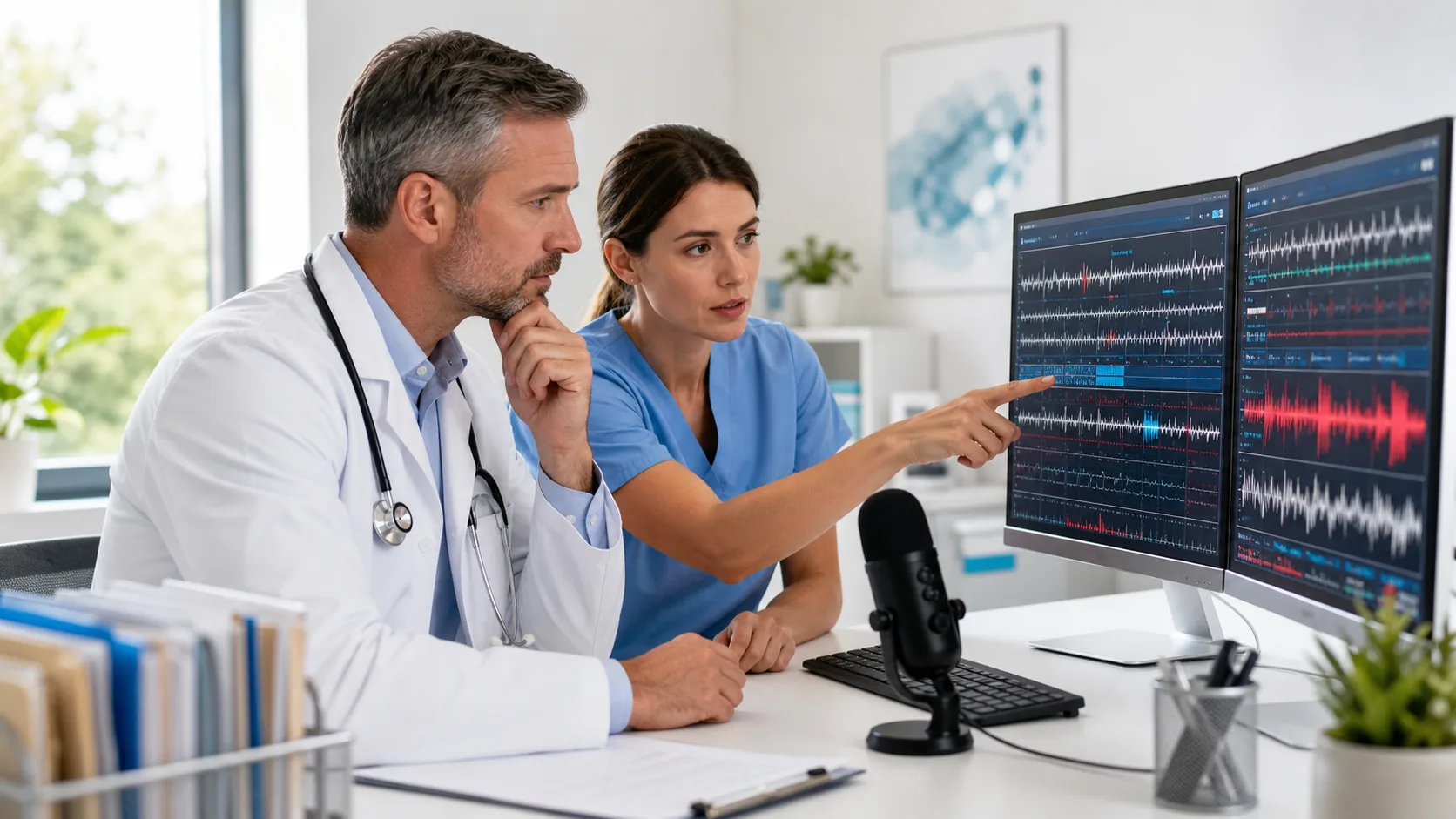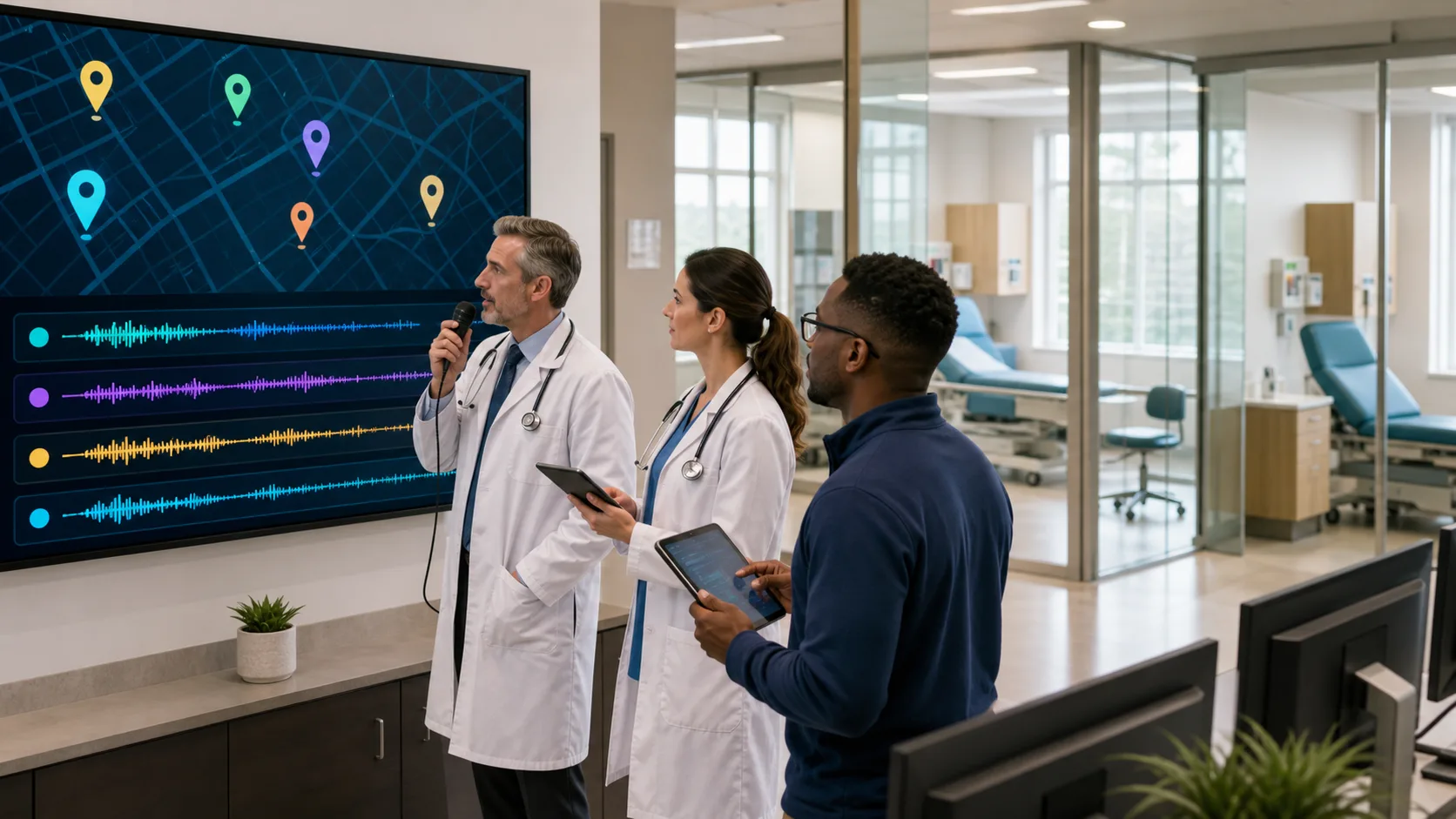
Healthcare speech recognition is quickly becoming a key tool for busy clinical teams. As leaders plan fall budgets and long-term strategies, documentation often sits at the center of every hard conversation. Notes take too long, handoffs feel risky, and everyone is trying to keep up with rising patient complexity.
Now is a smart time to rethink how teams capture the story of each patient. When multiple specialties are involved, every note, message, and order matters. Voice-driven workflows can help teams stay aligned, reduce friction, and keep attention on care instead of keyboards.
Think about a patient with several chronic conditions who comes through the ER, is admitted, then sees cardiology, oncology, and rehab. With cloud-based speech recognition, each clinician can speak directly into the record from any Windows-based workstation. Notes from triage, consults, and therapy sessions are captured quickly with clear detail, instead of scattered or delayed typing.
When everyone on the team can use voice to document in real time, a few things start to change:
This is where a platform like Nuance Dragon Medical One fits in. It is a secure, cloud-based medical speech recognition solution that supports consistent documentation across departments and locations, from hospital floors to community clinics.
Multidisciplinary care often runs into one big problem: documentation silos. Different departments have different habits, templates, and note styles. That can lead to:
When busy seasons hit, these gaps become harder to ignore. ER notes may not match inpatient problem lists. Rehab plans may not reflect the latest consult. Outpatient follow-up may start with incomplete information.
Healthcare speech recognition can help pull these pieces together by giving teams shared tools such as:
Instead of each department inventing its own language, teams can agree on clear, repeatable wording. Dictated consults, discharge summaries, and referral notes can be completed in seconds, even during busy late fall and winter periods.
That speed supports smoother:
When documentation flows, care can move forward with fewer delays and fewer surprises.
Voice is not just for physicians. Multidisciplinary care works best when every role can contribute quickly and clearly.
For physicians and advanced practitioners, speech recognition helps with:
Speaking can be significantly faster than typing, especially when using specific medical terms and drug names. This lets clinicians spend more time thinking and less time keying.
Nurses and allied health professionals often live in the chart, juggling flowsheets, narratives, and updates. Voice workflows can help them:
Care managers, therapists, and ancillary staff hold important pieces of the care story. With speech recognition, they can quickly document:
When every discipline can speak into the same record in a clear, structured way, the team shares one up-to-date, narrative-rich view of the patient.
Documentation pressure is a major driver of clinician fatigue. Many teams know the pattern: notes that spill into evenings, weekend chart catch-up, and mental overload from constant clicking and typing. This gets even tougher during flu and respiratory virus season, when volume rises and length of stay can stretch.
Healthcare speech recognition can ease some of that weight. By using voice, clinicians can:
Less time on the keyboard can mean more attention for assessments, shared decisions, and family conversations. That shift supports not only well-being, but also documentation quality.
Richer notes tend to capture:
Accurate, complete documentation matters for patient safety, quality reporting, and value-based contracts. When teams can speak their notes into a secure, cloud-based system that understands medical language, it becomes easier to put the full clinical story into the record.
Modern care rarely happens in just one room or one building. Clinicians move between hospital units, shared PCs, and virtual desktops. They may also split time between main campuses and smaller clinics.
A cloud-based platform like Dragon Medical One is designed for these real-world patterns. It supports use on Windows-based devices across settings, so profiles, custom vocabularies, and voice commands follow the user instead of staying tied to a single workstation.
This flexibility helps:
For multisite and hybrid organizations, cloud deployment can also make it easier to roll out speech recognition without heavy hardware installs at every location. Voice tools can be made available in a consistent way, even as teams spread across community practices, specialty centers, and virtual care environments.
IT and compliance leaders also have reasonable concerns about security and governance. With centralized management, encrypted data in motion, and role-based access, speech recognition can fit into existing privacy and security frameworks. That means clinical, operations, and IT teams can work together to modernize documentation workflows while staying aligned with organizational policies as they plan future budgets and strategies.
Moving to voice-powered documentation across a multidisciplinary team starts with understanding how work is happening today. Leaders can begin by mapping where documentation slows down care, where handoffs feel risky, and which notes cause the most frustration.
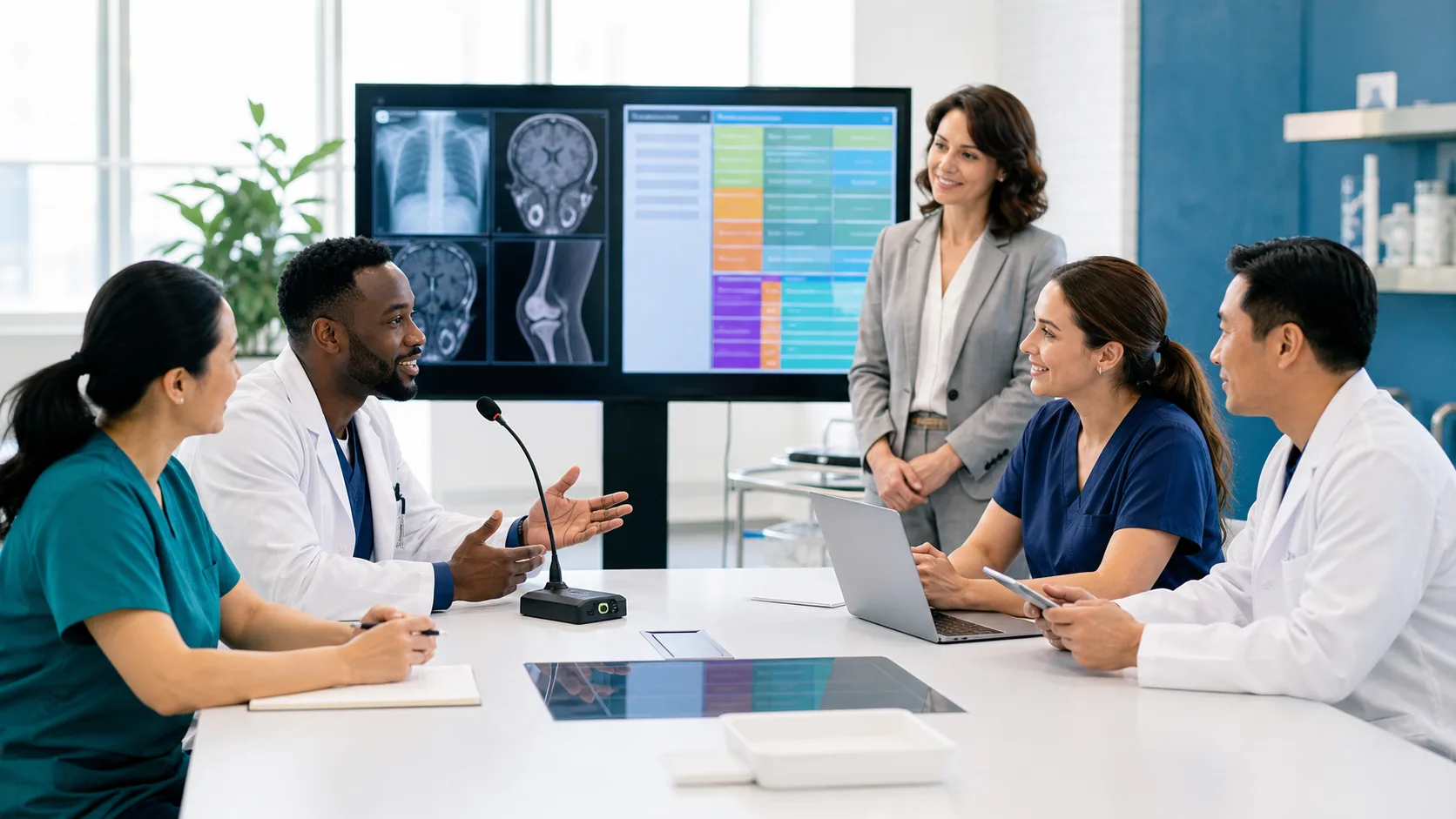
From there, it helps to involve a cross-functional group of champions. When physicians, nurses, therapists, and care managers sit at the same table, they can shape templates, voice commands, and training that work for everyone, not just one discipline. That shared design process builds buy-in and keeps the focus on what really matters: safer, clearer, and more human care for every patient.
At DragonMedical.One, we see how consistent, cloud-based healthcare speech recognition can help teams line up their documentation with the way they actually practice. By giving every role a faster, more natural way to tell the patient story, multidisciplinary teams can move into the next busy season with stronger workflows and a more connected approach to care.
Discover how our advanced healthcare speech recognition can help you create accurate notes faster so you can stay focused on patient care. At DragonMedical.One, we work closely with providers to align speech workflows with real-world clinical demands. If you are ready to explore tailored options or have questions about implementation, please contact us today.