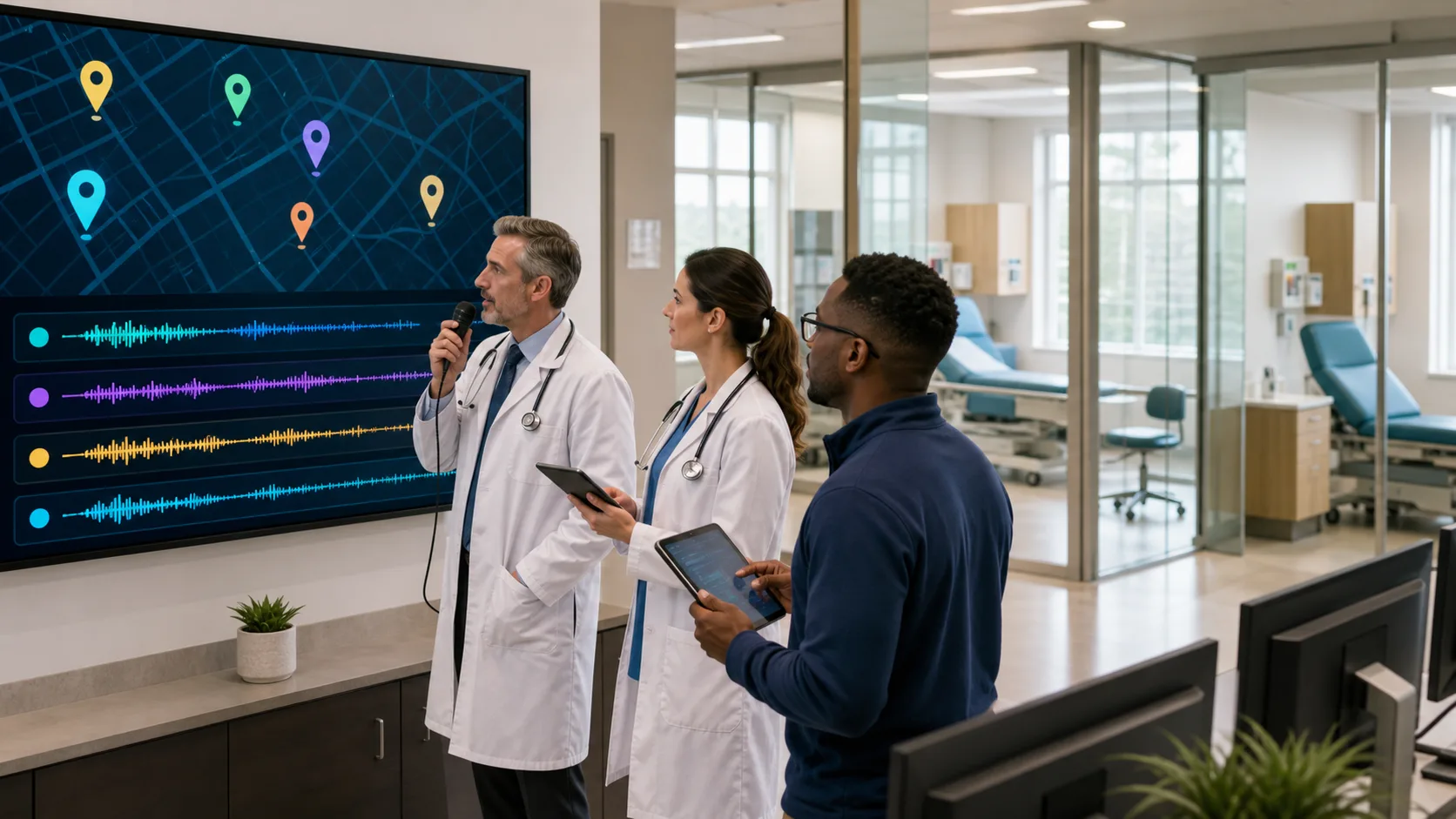
Fall respiratory season hits clinics hard. Visit schedules fill up, waiting rooms stay packed, and every extra cough or fever seems to add one more note to finish. For multidisciplinary clinics, where primary care, specialists, rehab, and behavioral health all share patients, the paperwork load can feel endless. That is exactly where smart medical transcription apps can make a real difference.
In this article, we walk through how these tools work inside team-based settings, why they matter when October and winter viruses roll in, and how clinics can shape their workflows around speech-powered documentation. We will also share how cloud-based speech recognition, like Nuance Dragon Medical One, fits into complex Windows environments without adding more work for IT.
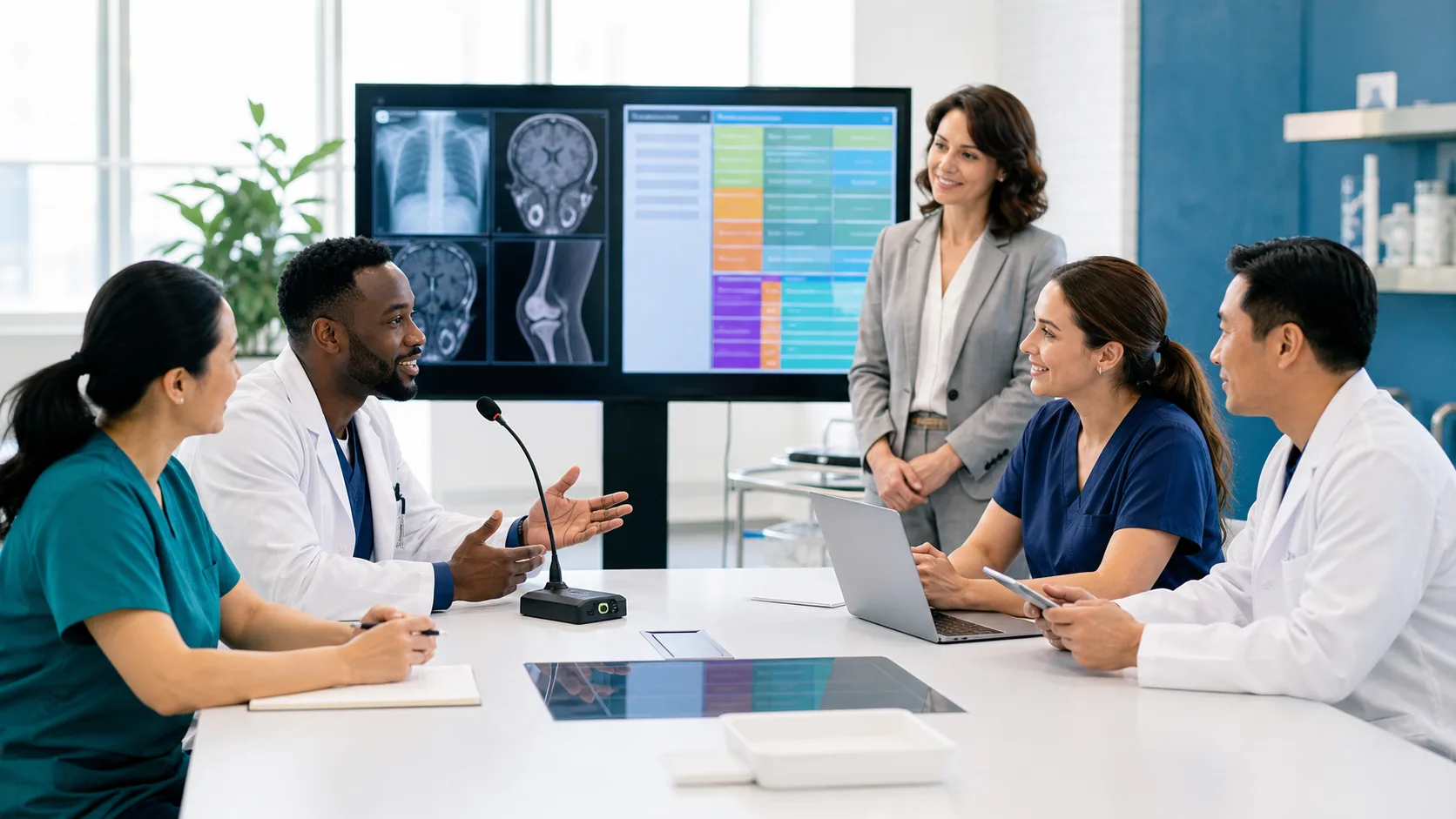
On a busy fall afternoon, it is common for a single patient to see primary care in the morning, a specialist midday, and maybe rehab or behavioral health later in the week. Each visit creates one more note, one more care plan, and one more chance for something to get missed. When every clinician has a different style and works in a different system, documentation can spiral out of control.
Fragmented workflows often lead to:
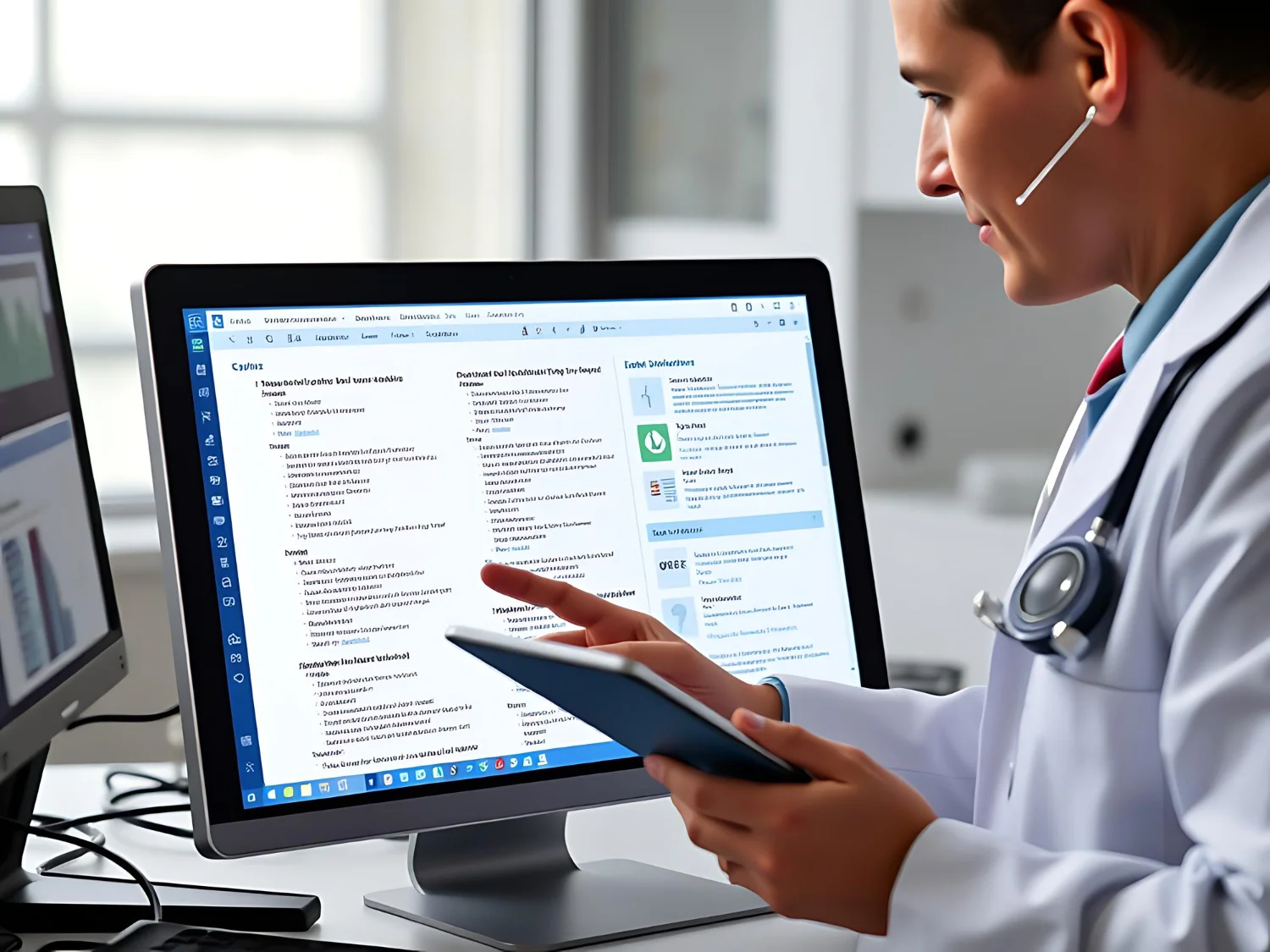
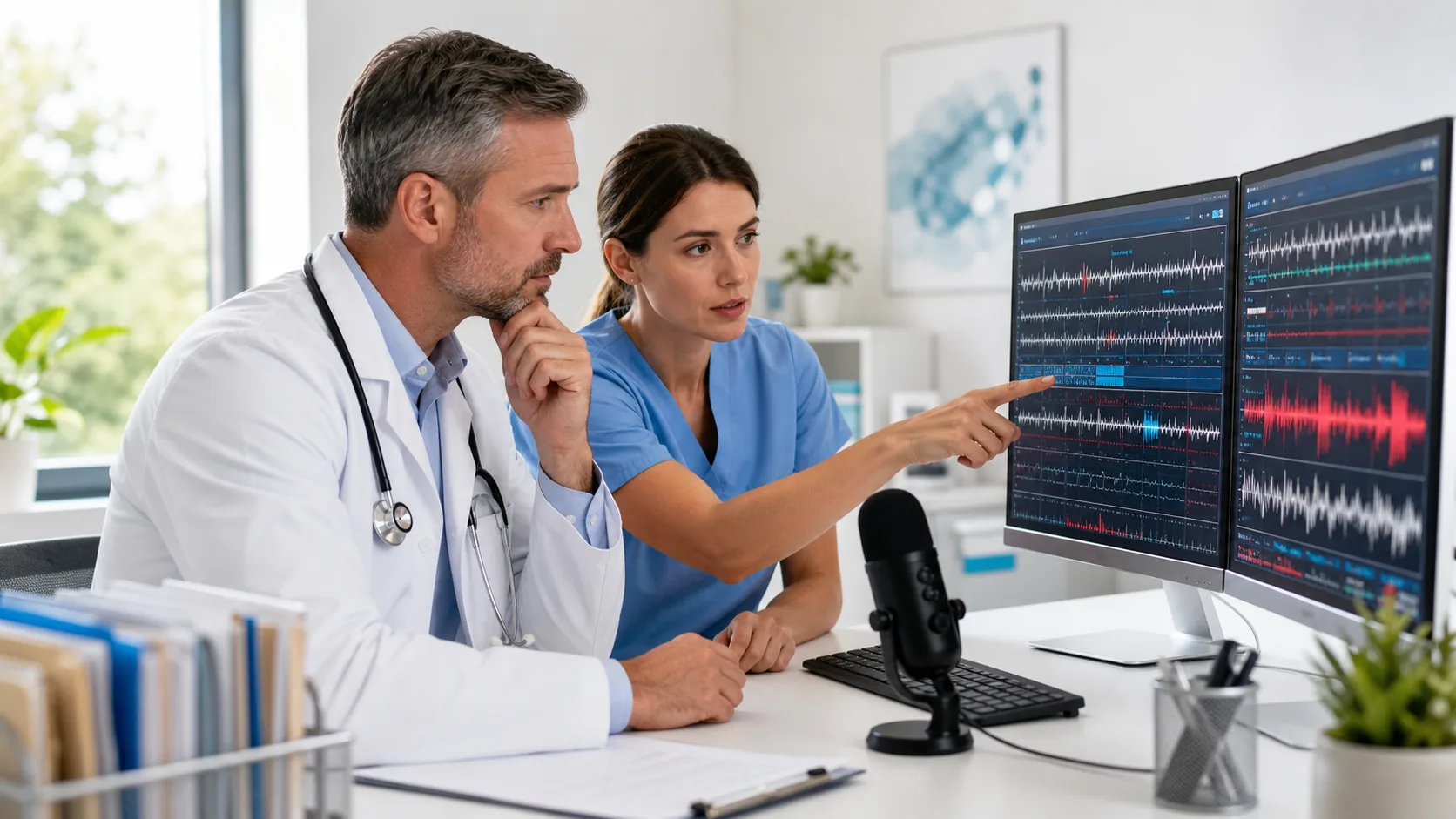
Modern medical transcription apps give clinics another option. Instead of typing, clinicians speak their notes, and the app turns their words into clear documentation that can be shared across the team. Spoken expertise becomes structured, timely notes that support care, rather than slow it down.
Cloud-based speech recognition, such as Nuance Dragon Medical One, delivered by our team at DragonMedical.One, is built to fit these complex, Windows-based environments. It lets multidisciplinary teams bring speech into daily workflows without rebuilding their entire IT setup.
When patients see several clinicians in one week, everyone needs a shared story. A primary care visit might adjust blood pressure meds, cardiology might update a risk plan, behavioral health might note stress triggers, and physical therapy might record activity limits. All of that has to line up.
If each specialty documents in a different way, problems can grow:
Seasonal surges make this even worse. As flu, RSV, and COVID cases go up, respiratory visits rise, and clinics often squeeze in urgent appointments. Add pre-holiday elective procedures, and schedules stretch thin. When documentation slows, everything backs up.
Traditional transcription, where clinicians record, send audio out, then wait, rarely fits this pace. By the time a typed note comes back, other team members may have already seen the patient. Modern medical transcription apps give near-instant documentation, which supports real-time care planning and keeps the full team on the same page.
Today’s medical transcription apps do more than just turn voice into text. The strongest tools bring together several key features:
Accuracy matters a lot. A behavioral health note, an orthopedic post-op check, and an oncology consult all have very different terms and phrasing. If clinicians have to correct every second word, they will stop trusting the tool. Strong medical vocabularies keep frustration low and speed high.
For team-based care, workflow fit is just as important as accuracy. Clinicians need to:
This makes it easier for a hospitalist, therapist, and nutritionist to all update the same record with consistent problem lists and language. Everyone sees the same, clear story when they open the chart.
With cloud delivery, platforms like Nuance Dragon Medical One, supported by DragonMedical.One, reduce the need for on-site servers. Automatic updates, shared vocabularies, and portable voice profiles help when providers float between departments, clinics, or even different sites.
To get real value, clinics should be intentional about where they start. High-volume, repeatable note types are usually best:
These are the visits that pile up during the October and late-year rush, so freeing them from heavy typing can relieve pressure fast. Focusing early on the most overloaded disciplines helps clinicians feel the difference right away.
Shared templates and phrase libraries can bring order to mixed documentation styles. Multidisciplinary clinics can build common macros for conditions such as diabetes, heart failure, or depression, then let each specialty add its own flavor. Standardizing sections like problem lists, care plans, and medication reconciliation makes it easier for everyone to scan and understand notes.
Training does not need to be long or formal. Short, focused sessions go a long way when they cover:
Having peer champions in each specialty helps too. When clinicians see a colleague in the same role finishing notes faster with speech, they are more willing to try new habits.
Any tool that touches patient information has to support privacy and regulatory needs. Reputable medical transcription apps encrypt data in transit and at rest, follow HIPAA rules, and support business associate agreements for covered entities. It is important to address common questions about how voice data is handled, where it is processed, and how long it is retained.
For clinics running Windows-based EHRs, virtual desktops, and shared workstations, good access control is key. Tools like Dragon Medical One can work within these environments using role-based access and, where available, single sign-on. That helps maintain clear audit trails even when providers move between locations or specialties.
Standard policies across the organization keep documentation consistent. Many clinics create guidelines on:
These shared standards support coders, billers, and quality teams, while still allowing room for specialty-specific details that matter for care.
As respiratory season builds and schedules tighten, turning speech into same-day notes can help teams keep up without adding late-night charting. With Nuance Dragon Medical One, implemented and supported by us at DragonMedical.One, multidisciplinary clinics can bring cloud-based speech recognition into their Windows-based setups and daily patient care.
That means faster consult letters to referring providers, real-time updates to rehab plans after orthopedic visits, and immediate behavioral health documentation that other clinicians can see right away. When notes are complete before the patient leaves the building, care coordination improves and handoffs feel smoother.
During the busy stretch from October through the end of the year, when visit volumes, reporting needs, and holiday schedules all collide, even small time savings in documentation can protect clinician energy. Less typing and fewer open charts can support better focus during the day and more time off the clock in the evening.
If you are ready to reduce charting time and improve accuracy, explore how our medical transcription apps can streamline your workflow. At DragonMedical.One, we combine advanced speech recognition with medical-grade security to support your practice’s documentation needs. Tell us about your goals and challenges so we can recommend the right setup for your team. Have questions or need a tailored quote? Simply contact us to get started.