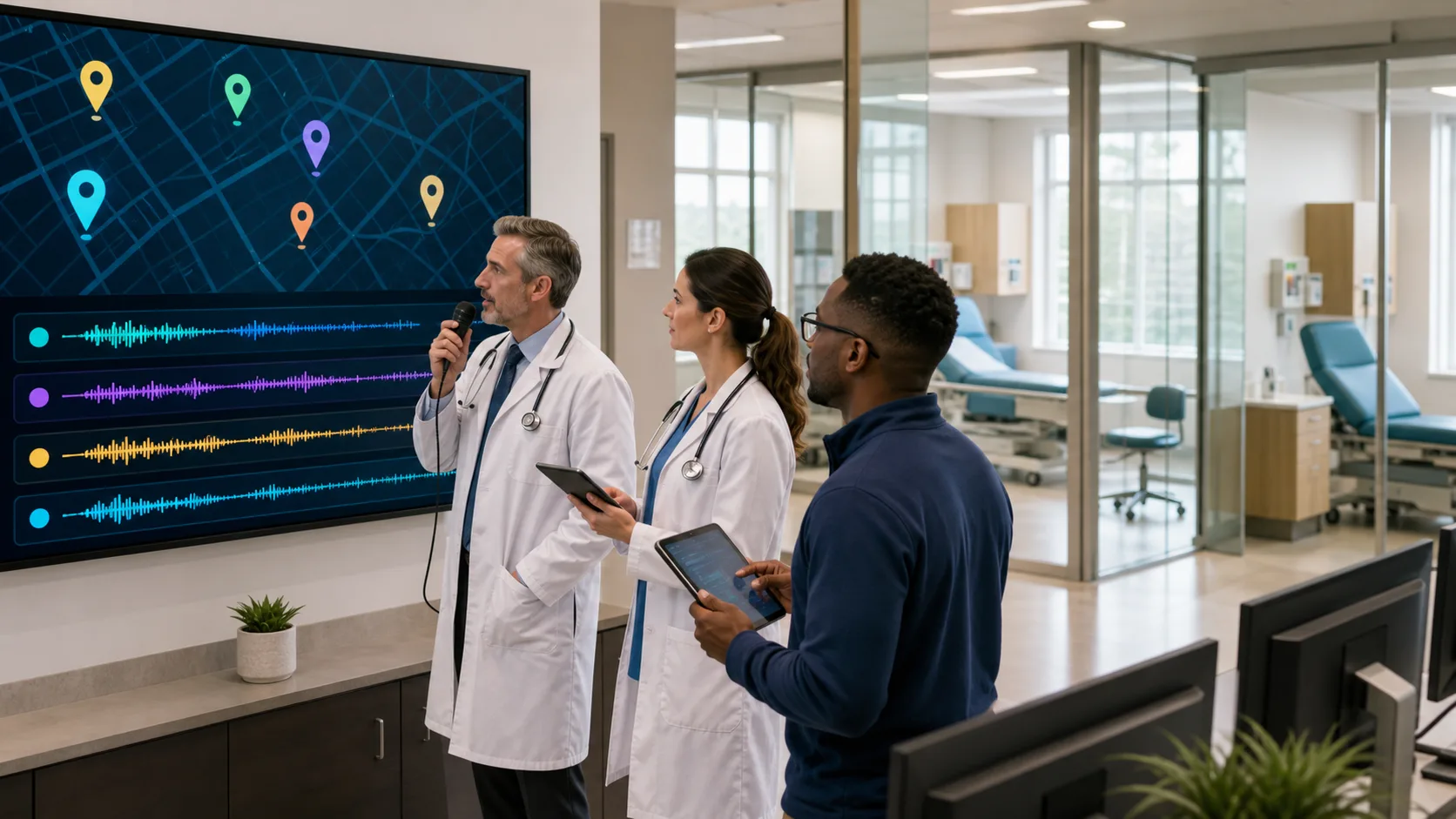
Speech recognition software for medical use does not just transcribe words. It works alongside clinicians through packed days, shifting priorities, and nonstop movement. At a glance, it might seem similar to everyday voice apps, but the demands of healthcare make things a lot more specific.
Between full waiting rooms and short breaks between patients, time feels tighter each spring. We do not have extra minutes to slow down and wrestle with programs that cannot keep up. What we need are tools that can match our pace without adding tasks to the pile. That means voice tech designed to work the way medicine moves, quick, clear, and easy to use no matter where we are.
Unlike general office settings, clinical work rarely allows quiet, uninterrupted time to type out detailed notes. We are jumping between exams, answering questions, and making decisions quickly. Every second matters, so our tools need to keep up without dragging the pace.
Every click and confirmation step slows us down. The fewer the interruptions, the better the note, and the better the flow of care.
Accuracy is not optional when we are reviewing symptoms, listing medications, or sharing instructions. When the software understands what we mean right away, work flows better.
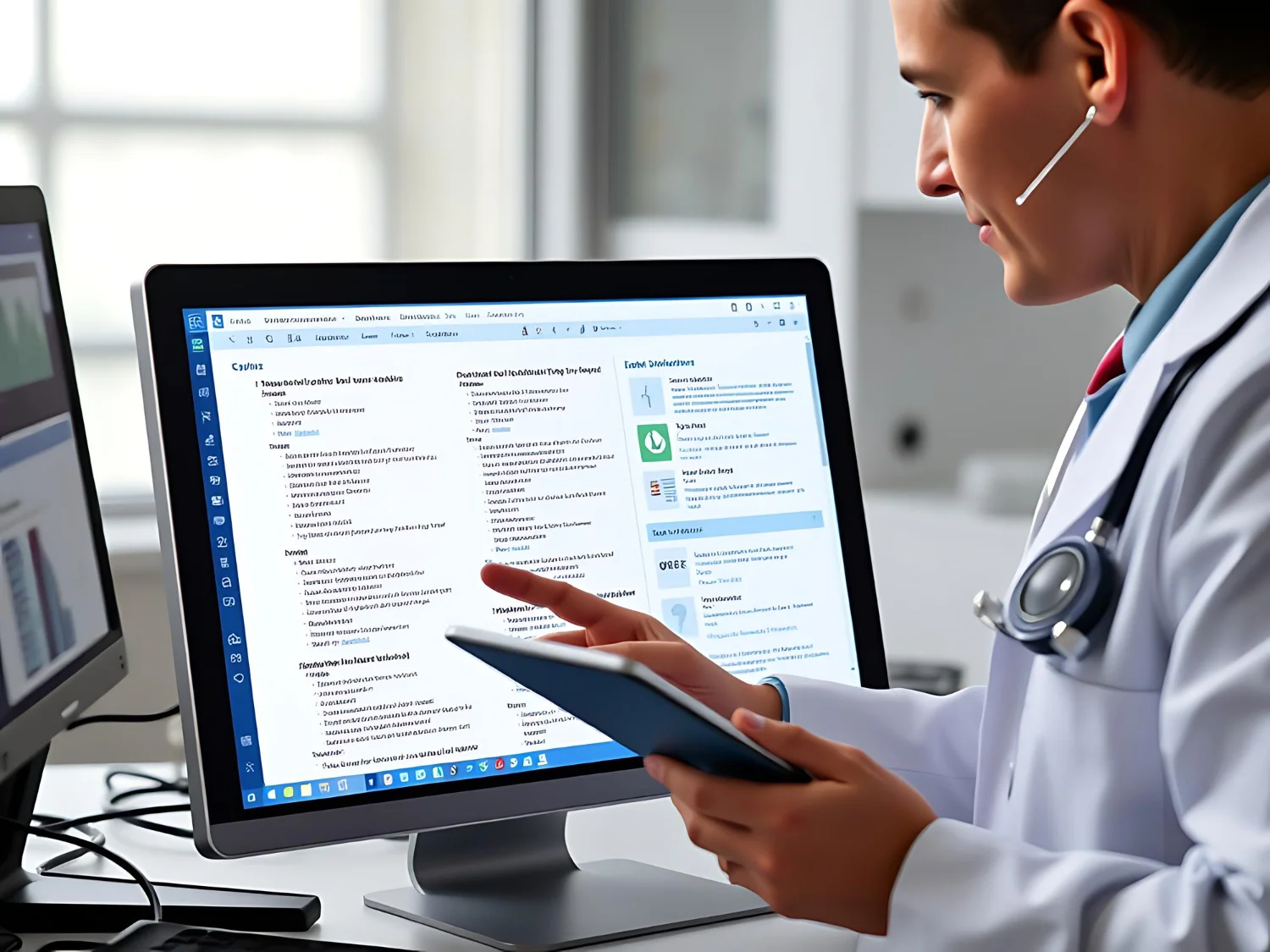
Dragon Medical One uses industry-leading real-time speech recognition with built-in artificial intelligence for fast, highly accurate medical dictation. The system supports hundreds of medical specialties and adapts instantly to new terms and clinical phrases.
Reliable speech recognition software for medical use saves more than time. It helps us stay mentally fresh, too. Less rework means fewer distractions at the end of long days.
In clinical settings, using voice alone can make all the difference during fast transitions. We are often stretched between rooms or interacting with patients hands-on. Not being tied to a keyboard helps us stay focused and efficient.
Dragon Medical One offers hands-free documentation through advanced voice commands and customizable auto-texts, so clinicians can format, correct, and complete notes entirely by voice in real time.
This becomes especially useful in spring, when routines feel tighter and appointments run close together. Quick, accurate voice commands remove small speed bumps that otherwise break momentum.
Work does not always happen in one place anymore. Whether we are at a desk, helping in another department, or reviewing notes remotely, we need our tools to come with us without losing settings or preferences.
Dragon Medical One includes PowerMic Mobile, which turns any smartphone into a secure wireless microphone, allowing you to document efficiently from any location. Cloud-synced voice profiles mean your templates, settings, and vocabularies follow you between devices, supporting mobility in real clinical environments.
We should not have to reset or remember settings every time we change devices. The work should feel the same whether we are recording in-office, from home, or in a shared workspace.
General-use voice apps were not built for clinical care. They might be fine for texting or quick notes, but medical environments have needs those tools just cannot meet.
Dragon Medical One is designed specifically for the fast-paced needs of clinicians, supporting real-time EHR documentation, advanced security, and customizable workflows that general voice apps cannot deliver.
We need speech tools that understand how we work, not ones built for hobbies or casual office tasks. Clinical documentation deals with more detail, more repetition, and more complex phrases than everyday note-taking allows.
What makes medical voice software different is not just the features, it is how well those features fit into the rush of the day. Tools that understand medical routines and speak our language do not get in the way. They help us move faster, think clearer, and record cleaner.
That kind of fit becomes even more noticeable when schedules fill up, like they often do in spring. When software supports us instead of slowing us down, it becomes something we can rely on, not something we put up with. Our routines get smoother, our notes get sharper, and our time feels better spent. That is the kind of difference we notice.
At Dragon Medical One, we understand the importance of solutions that keep up with your demanding schedule and support your workflow seamlessly. Our tools are built for real healthcare environments, designed to help you stay accurate and efficient, whether you are charting at your desk or dictating on the go. See how our speech recognition software for medical use can streamline your note-taking and let you focus more on patient care. Connect with us to discuss how we can support your needs.