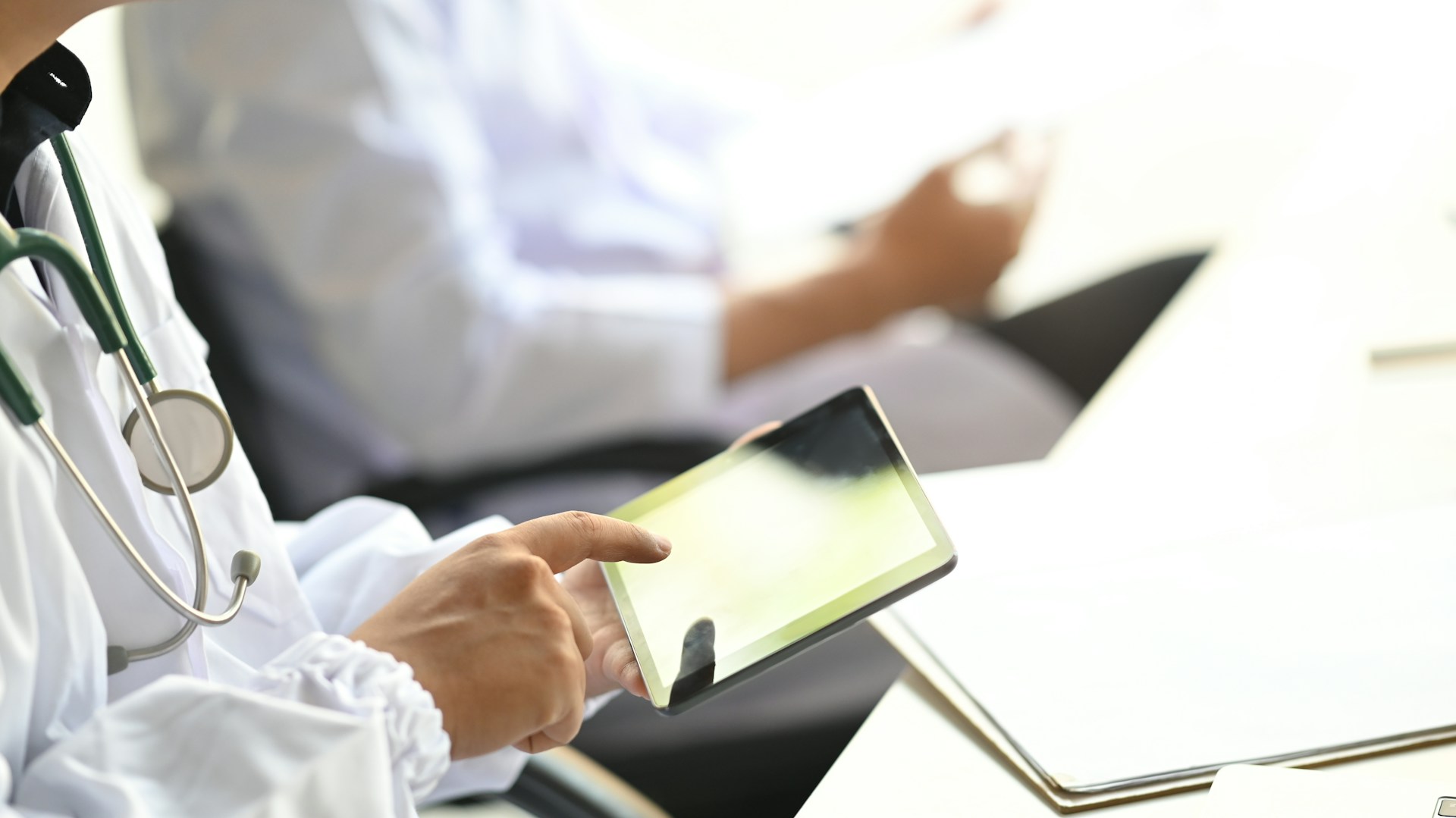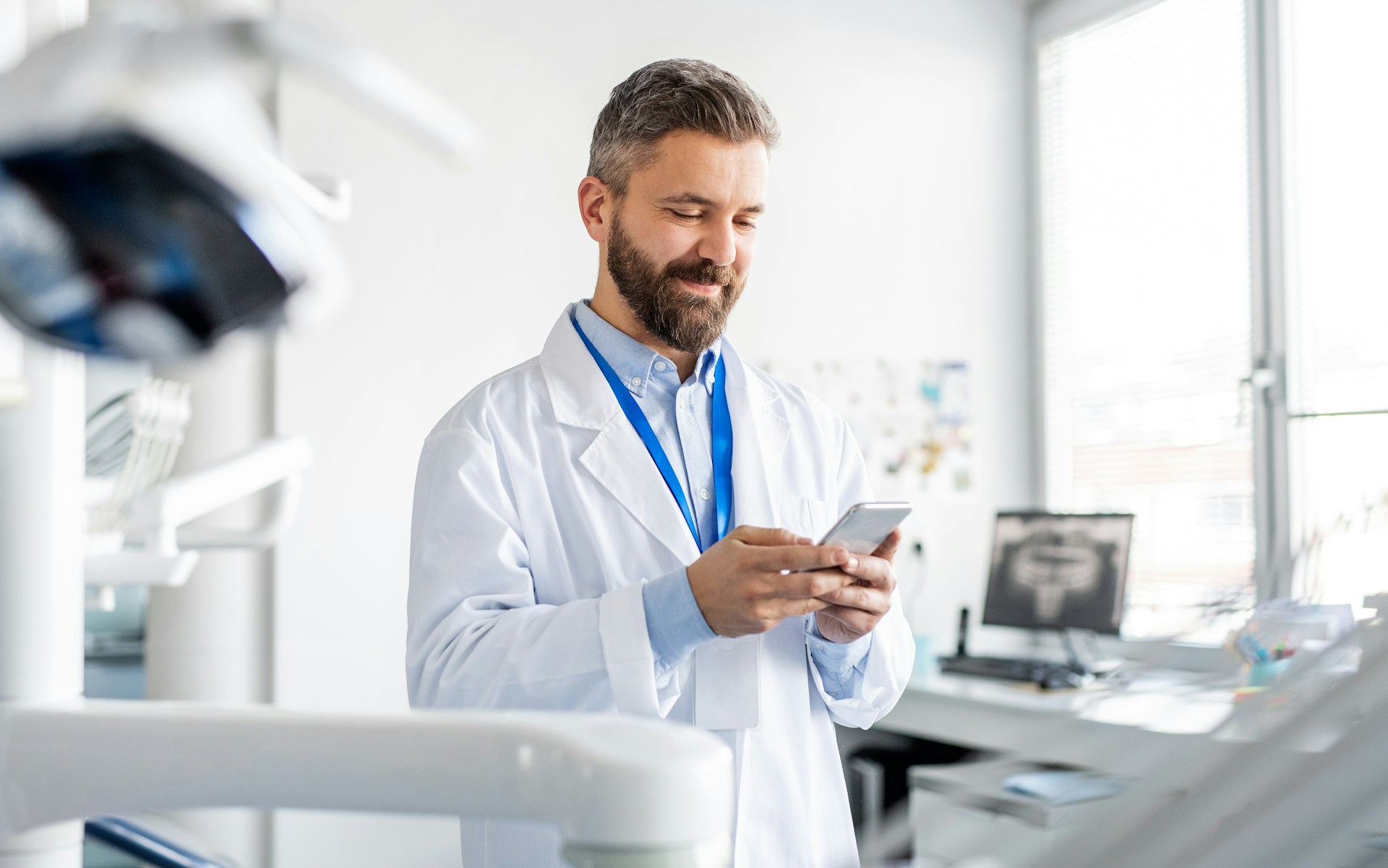
The way doctors use voice tools has come a long way from what many of us remember. What started with cassette tapes and after-hours transcription is now something entirely different. Dictation for doctors does not look or feel like it once did.
Today, it is fast, flexible, and built around the way healthcare actually moves. Gone are the long delays, bulky recorders, and third-party transcription services. We have reached a point where talking directly into a headset can produce clean, accurate notes as quickly as we speak. That shift changes how we document and gives us back time that used to get lost in charts and clicks. Many clinicians can recall when even the smallest note could require a surprising wait, pushing the workload into evenings or weekends.
For years, dictation meant recording audio and sending it off for later transcription. Often, this meant:
That kind of delay created extra work, especially when notes came back late or out of order. It also meant piling on corrections at the end of long shifts. As patient volumes increased and tasks multiplied, many of us started looking for something cleaner, faster, and less complicated. Real-time tools helped with speed and changed how we worked throughout the day.
With the older way, the process could feel disconnected from patient care. You would see a patient, record thoughts, and then wait. When the transcript finally arrived, it needed a quick check for errors, but sometimes it meant rereading most of it. Long turnaround times left us struggling to recall the details or context, making charting feel even more tedious.
When we talk about real-time dictation, we mean something very specific. It does not involve hitting Record. It does not involve saving a file or uploading anything later. Today’s dictation tools capture your voice as you speak and display the text right then and there.
Here is what that looks like in action:
This makes it easier to keep up with fast-paced clinical days. Whether you are moving between rooms or making updates between phone calls, you do not have to stop and type. Your voice keeps the process moving at your pace. It feels much closer to a natural extension of your clinical thought process, not a separate step squeezed between appointments.
Dragon Medical One’s cloud-based speech recognition software allows clinicians to document patient encounters directly within the electronic health record, with no transcription delay and high accuracy from any workstation. The software is HIPAA-compliant, ensuring security and privacy for sensitive medical records.
Modern software is designed to be ready whenever you need it, helping you deal with daily pressures without adding steps or delay. That means jumping between tasks, updating notes on the fly, and feeling more in control of documentation.
As healthcare work becomes more mobile, the old model of being tied to a single workstation no longer fits. Whether rounding, consulting off-site, or catching up during off hours, we need voice tools that work wherever we work.
Modern dictation tools support that in a few key ways:
This flexibility matters. It means less context switching, fewer delays, and smoother transitions between locations or systems. When our tools move with us, we stay focused on care, not troubleshooting. In clinics, hospitals, and even over telehealth, being able to document from anywhere streamlines the entire experience.
With PowerMic Mobile from Dragon Medical One, you can use your smartphone as a secure wireless microphone, making it easy to dictate from anywhere in the clinic or on the go. This type of portability means you are not anchored to a single spot, and can continue documentation even when moving between different tasks or locations. It is a significant shift for clinicians who rarely work from behind the same desk all day.
There are some specific reasons why the experience now feels lighter than it used to. For one, we are not expected to train our voices into software anymore. We just talk. Accent detection and smart audio adjustments work in the background, so we do not have to pause and repeat.
What also helps:
The whole process feels more natural. We speak, our notes keep up, and the day moves a little easier. Reducing after-hours charting can lower friction around documentation and helps keep work from bleeding into personal time. Instead of carrying the burden of charting home, more of us get to finish things before we walk out the door.
Dragon Medical One enables comprehensive customization, including specialty vocabularies and auto-texts, to make daily workflows even smoother. You can adjust settings and formats to fit your documentation habits. Personalized templates and voice commands allow you to stay consistent, reducing repetitive work and making sure notes match your style. It is not just about accuracy, but having documentation that fits your way of practicing medicine.
The technology keeps learning as you use it, adjusting to your routine and giving you more control over your documentation. Many clinicians find themselves using fewer corrections and spending less time going back to edit, so the documentation keeps pace with clinical care without delay.
Something changes when we are able to speak our notes instead of typing them. The routine becomes smoother. Tasks that used to take five steps now take one. We do not hesitate to update records during a visit or leave reminders for later. Everything feels more within reach.
Dictation for doctors has become less of a process and more of a background support. It is easier to stay focused on each patient when we are not distracted by documentation steps. It is not about having fancier software. It is about having something that works simply, every time we need it. When that happens, our days feel clearer and our work feels more manageable.
The shift to modern voice tools is not just a story of speed, but one of control. It gives us a more direct relationship with our charts and makes the daily flow easier to balance. Those who have made the transition see their attention returning to patient care instead of computer screens. What once felt like a bottleneck is now something we think about less, even as we accomplish more.
Ready for a smoother way to work? At Dragon Medical One, we have seen how much time and energy clinicians save by relying on real-time speech instead of typing. The right setup makes a genuine difference, especially for accurate, flexible dictation for doctors. Tasks become lighter, and the pressure stays manageable after hours. Reach out to us to start building a documentation process that truly fits the way you work.