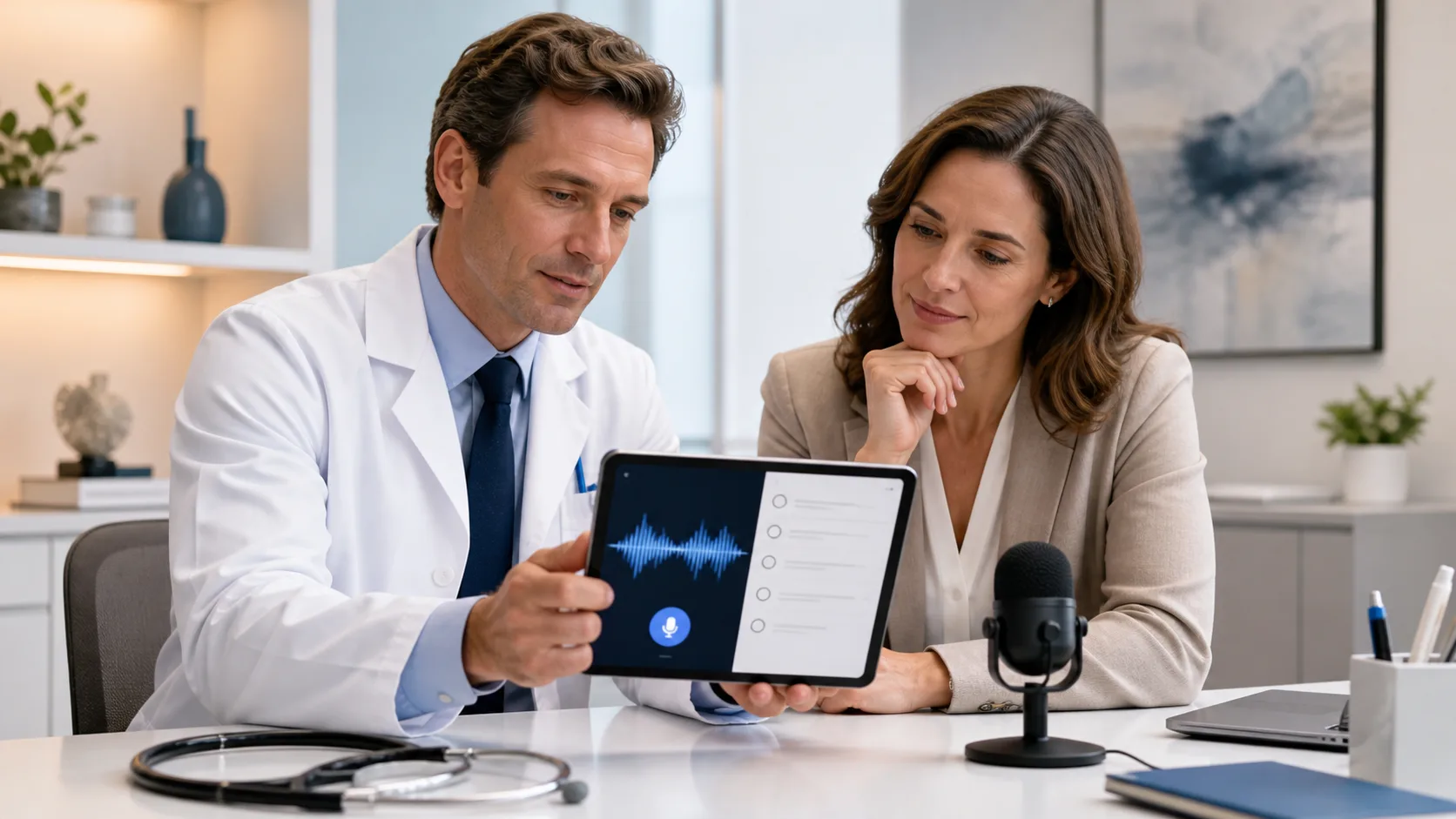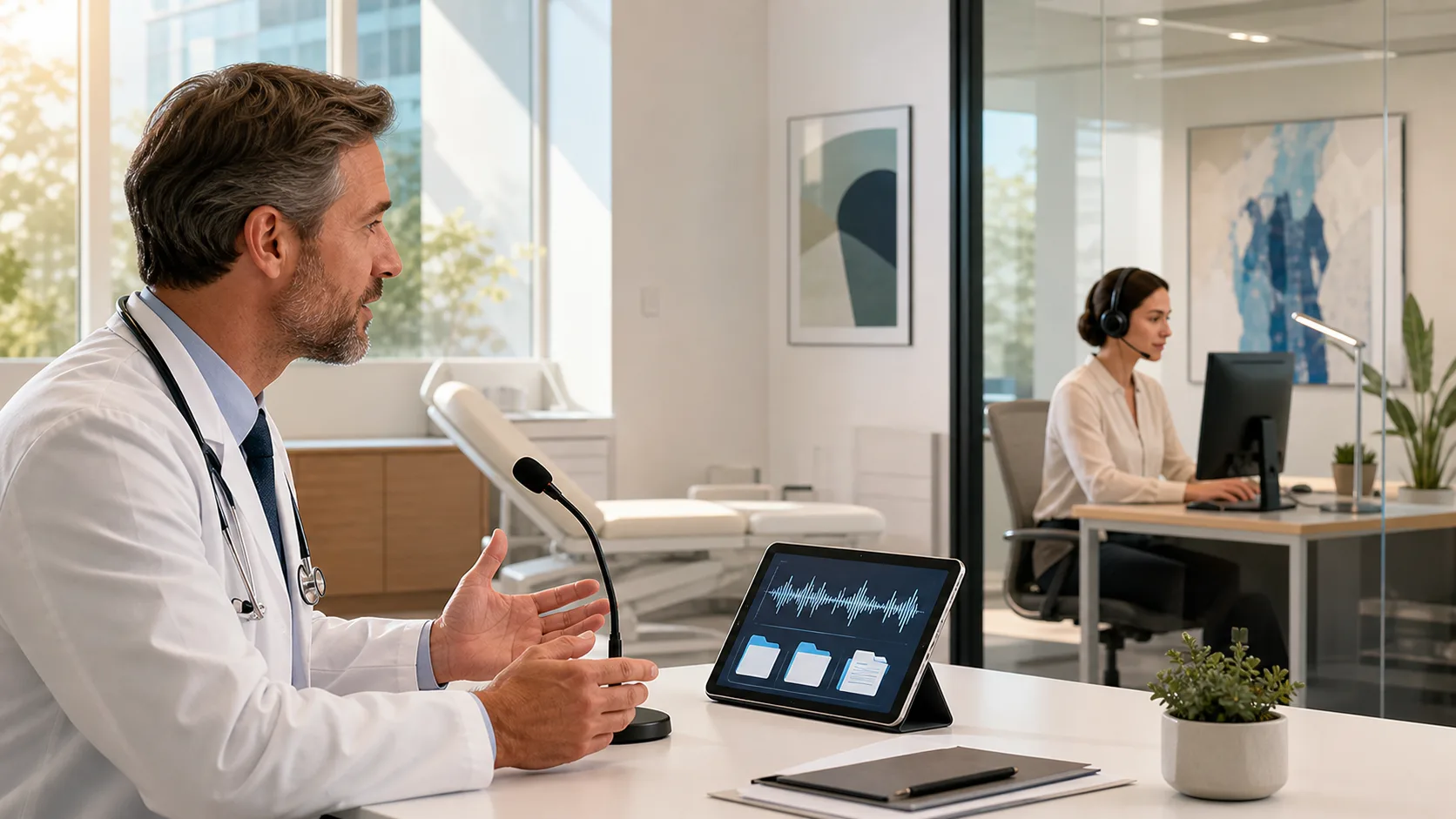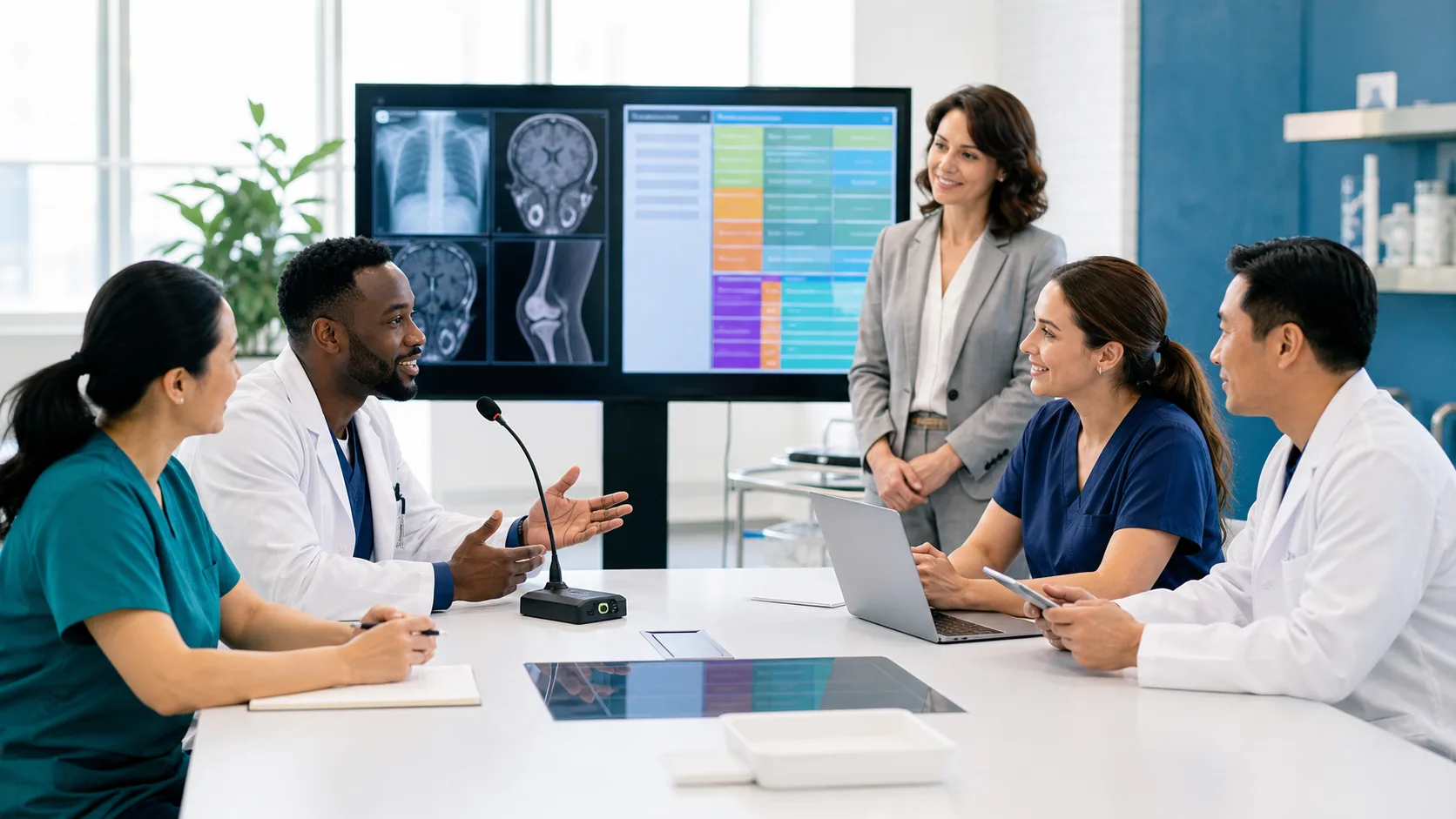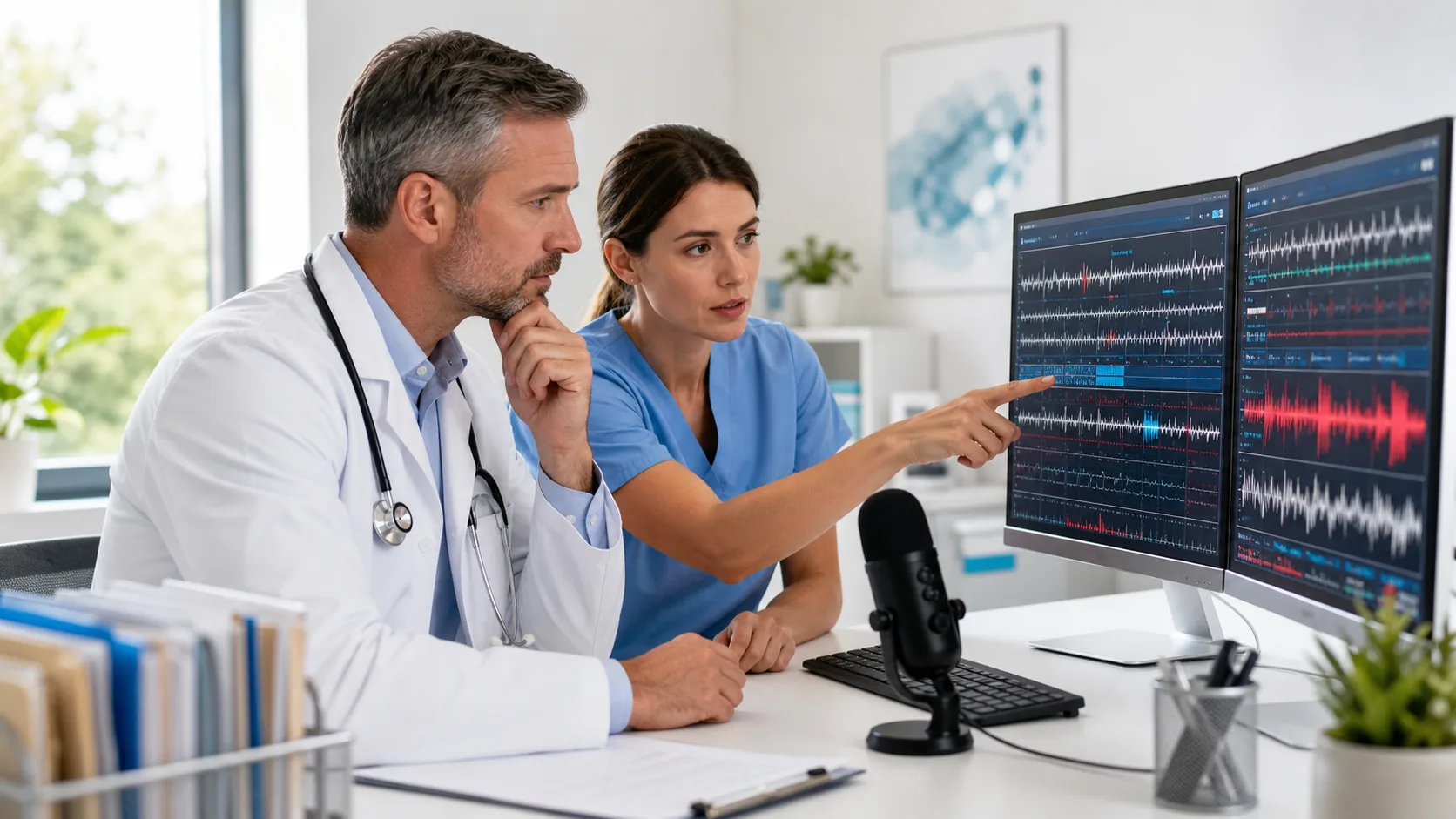
Each spring, things start to move a little faster in clinical care. Appointment lists grow longer, the pace picks up, and time feels tighter. That kind of shift makes us take a closer look at the tools we use every day. Some continue to help, while others start to slow us down. Speech recognization software fits right into that seasonal reset. It works alongside us to document faster without losing the details that matter. But what is this software actually doing while we talk? It is more than just a typing tool. It listens, interprets, and moves with us, doing a lot of work behind the scenes so we can focus on what is in front of us.
Speech recognization software starts by listening, but not in the way general voice apps do. It does not just wait for pauses or listen for simple commands. Instead, it is tuned into how we talk in medical settings.
That ability to hear in a way that makes sense for medicine is what makes this software different. It is not guessing. It is trained to follow the rhythm of our voice and the structure of clinical language.
When working in a busy clinic, our speech can easily blend with background sounds, computer alerts, or hallway conversations. Still, the software distinguishes the important parts of our voice. It recognizes context, differentiating between phrases like “review labs” and casual remarks, so our documentation stays sharp. Voice recognition is only part of the process; understanding medical intent is what sets it apart.
Once we start talking, the work happens almost instantly. Every sound gets processed in real time. There is no waiting for the software to catch up or for recordings to process in the background.
By the time we finish a thought, it is already organized on screen. That means we are not circling back to clean things up later. The software keeps pace with us in the moment.
Dragon Medical One offers instant, real-time speech recognition that delivers spoken words directly into electronic health records with no lag or manual syncing. Notes and corrections are processed immediately, with support for industry-specific language and context.
This real-time process supports fast-moving patient care by letting us make updates the moment we think of them, instead of backtracking at the end of the day. If we need to modify something, we can clearly say “correct allergy section” or similar phrases and see changes appear as soon as we speak them. That immediate feedback is what helps us maintain accuracy and reduce after-hours work.
Clinical work is rarely quiet, and we often switch from one task to the next with little pause. That is why this kind of software cannot act like a basic translator. It has to work well under pressure.
Dragon Medical One uses artificial intelligence and medical specialty vocabularies to capture even difficult terminology, fast phrasing, and real-world speech variations. Hundreds of medical specialties are supported, cutting down on time spent correcting missed or misunderstood terms.
We rely on clean, steady notes to keep our work aligned with others across shifts. Speech software becomes part of that rhythm. If it is off or laggy, it throws off everything else too.
Our documentation needs to reflect what happens in real time, whether we are updating medication lists, creating discharge summaries, or giving instructions to staff. Speed and medical accuracy form a foundation for safe care. With a system that understands us the first time we speak, we make fewer corrections and deliver more complete records, without the frustration that comes from repeated errors.
Our work is not always done from the same desk or even the same room. Some of us move between offices. Others share workstations or finish notes remotely. The software has to move with us and feel the same each time we use it.
Dragon Medical One ensures seamless workflow continuity using secure cloud settings, and the PowerMic Mobile feature turns any smartphone into a secure wireless microphone for mobile documentation. Your profile and preferences follow you across devices, reducing set up time and supporting mobility through busy clinical shifts.
That consistency helps cut down on wasted time. There is no pause to reset or redo setups. We just log in and keep going, even on days when nothing else is predictable.
Standardizing our experience across offices supports teamwork and reduces missteps from shifting between different tools. Working from several locations over the week or month, we want familiarity every time we open a patient chart. Our preferred commands, macros, and custom notes appear no matter which device or connection we use. That makes adapting to unexpected schedule changes or covering for a colleague much easier.
As spring fills up our calendars, every tool that saves a few seconds starts to matter more. This software is not about big changes. It is about removing the friction. No screen delays. No awkward voice training. Just fast, accurate words that match how we speak.
What speech recognization software is actually doing is helping us stay present. It is keeping up with our pace and shaping space for better care, not more tasks.
Each day, efficiency gives us time back, and accuracy lightens the pressure on the entire team. Instead of scrambling to catch up or make sense of patchwork notes after hours, we find our documentation supports us as we move from one patient to the next. When every interaction is recorded clearly and quickly, we provide safer care and feel less rushed, even when days are long and appointments stack up.
Managing busy spring schedules is easier when your documentation keeps pace with your needs. At Dragon Medical One, we know the value of flexible tools designed to support clinical efficiency. Our software does not just capture your voice, it keeps up in real time and adapts to your workflow. Discover how our approach to speech recognization software can enhance your daily processes, and reach out when you are ready to move forward.