Summer clinics fill up fast. Visit volumes spike before vacations, school physicals stack up, and everyone is trying to stay on time. In the rush, many of us fall back on the same habit: copy-paste in the EHR. It feels quick, but it often leaves us with bloated notes, hidden errors, and extra stress later.
Here, we want to talk about a different way to work. We will look at how heavy copy-paste affects quality and compliance, why typing and templates make it worse, and how medical speech recognition can help us reset our note habits. The goal is simple: less cloning, clearer stories, and more time back in our day.
On a packed summer schedule, it is tempting to copy forward the last visit, tweak a few lines, and move on. That shortcut can turn into a daily pattern, then an all-year habit.
The problem is that this habit does not just save time; it also:
Copying forward old templates, problem lists, and notes can make it hard to see what is actually new or different today. Modern medical speech recognition gives us another option. Instead of copying large blocks, we can speak directly into the EHR and capture what truly matters for this visit, faster than we can type.
As we move through the rest of the year, this is a perfect time to reset how we document, before fall and winter bring even more high-acuity visits.
Most of us know the common copy-paste traps:
These issues are not just annoying; they become real risks. When notes are inflated with old content or time statements do not match the actual work, auditors may question what truly happened. Inconsistent details across cloned notes can raise red flags in review or in legal settings.
Patient safety is tied to this too. When the same error appears in multiple notes, it starts to look true. Subtle clinical changes can be buried in walls of repeated text. Covering clinicians, especially during busy respiratory seasons, may struggle to see what is different from the last visit.
There is also a hidden time cost. We spend minutes fixing inherited errors, clearing up mixed messages, and handling inbox queries triggered by confusing documentation. The shortcut starts to feel less like a shortcut.
Typing while thinking clinically is hard work. We are trying to:
That constant switching slows us down. When the schedule is packed and the waiting room is full, it feels easier to leave “real” documentation for later and lean on copy-forward as a starting point.
Templates and macros help, but they can grow too big or too generic. When the template covers every body system and every possible plan, it is tempting to recycle it instead of tailoring it. Over time, we can start documenting to match the template, not the patient.
Seasonal pressure makes all of this stronger. Summer injuries, camp forms, travel visits, and then back-to-school checkups can push everyone to the edge of their day. Copy-paste becomes the survival tool for those peak weeks, then slowly turns into the default all year, even when we have better tools available.
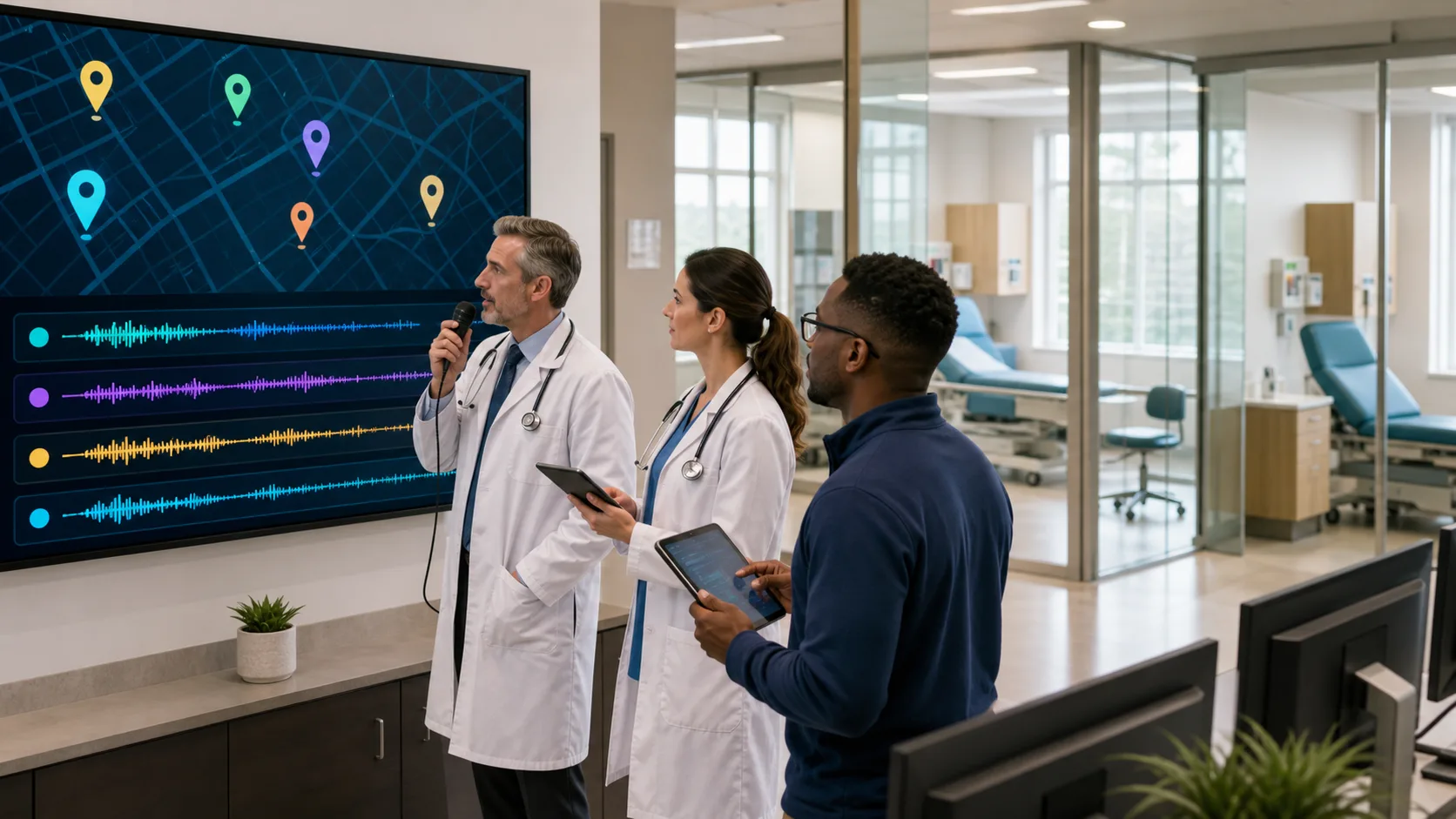
Medical speech recognition offers a different workflow. Instead of copying old text, we can speak our thinking in real time. We can describe the exam, our clinical reasoning, and the patient’s preferences directly into the EHR at up to three times the speed of typing.
This supports notes that are specific to each visit. We can quickly say:
Dragon Medical One is built for this kind of work. It is cloud-based, so clinicians can use it from Windows-based workstations across the organization. It combines high-accuracy dictation with built-in voice commands, so we can move through fields, insert text, and complete sections with our voice instead of constant clicking.
The result is fewer cloned sections and a clearer timeline of care. Each note reflects real changes in symptoms, labs, imaging, or treatments. That makes handoffs smoother, and helps patients get after-visit summaries that actually match what happened in the room.
We do not have to change everything overnight. A few small moves can make a big difference.
Start with targeted use cases, like common summer visits:
For these, try dictating the History of Present Illness and Assessment and Plan instead of copying prior notes. Speak directly to what matters this time, in this context.
Next, rethink how we use templates. Instead of long blocks that we copy forward, we can build smart voice commands in Dragon Medical One that drop in short starter phrases or brief structures. Then we fill in the real story by dictating, not cloning.
Real-time dictation at the point of care is key. When we document during or right after the visit, while details are fresh, we are less likely to batch charts later with heavy copy-paste.
The care team can help too. Medical assistants or nurses can start structured sections, while clinicians dictate the narrative pieces that truly need our voice. This spreads the work while keeping the unique parts of the note fresh and accurate.
If we want to change habits, it helps to measure them. Simple metrics can show progress, like:
As medical speech recognition becomes part of daily work, many organizations see charts finished sooner, fewer heavily cloned notes, and fewer questions from coding or quality teams. Clinicians often say they feel more at peace with what is in the record, because it actually matches their memory of the visit.
Patients can feel the difference as well. After-visit summaries sound more like their own story, not a generic script, which can support better understanding and follow-through.
These gains support bigger organizational goals: clearer documentation for risk adjustment, records that stand up better in review, and a stronger base as we move into high-demand flu and respiratory seasons.
Mid-year is a natural reset point. Schedules shift, learners rotate, and many clinics review workflows. It is a great time to pilot or expand medical speech recognition, offer focused training, and set fresh expectations around reducing copy-paste.
A simple approach is to pick a few departments with the heaviest copy-forward use, introduce Dragon Medical One voice workflows, and then track progress at 30, 60, and 90 days. Over time, clinicians often find they have less late-night charting, more accurate and personal notes, and fewer worries about cloned errors hiding in the record.
At Dragon Medical One, we are focused on helping clinicians tell each patient’s story clearly, while getting some of their own time back too.
Discover how our medical speech recognition solution can help you document faster, reduce burnout, and stay focused on patient care. We work closely with clinicians and healthcare organizations to tailor workflows that fit real-world clinical demands. If you are ready to see how Dragon Medical One can support your team, reach out through our contact page to start the conversation.