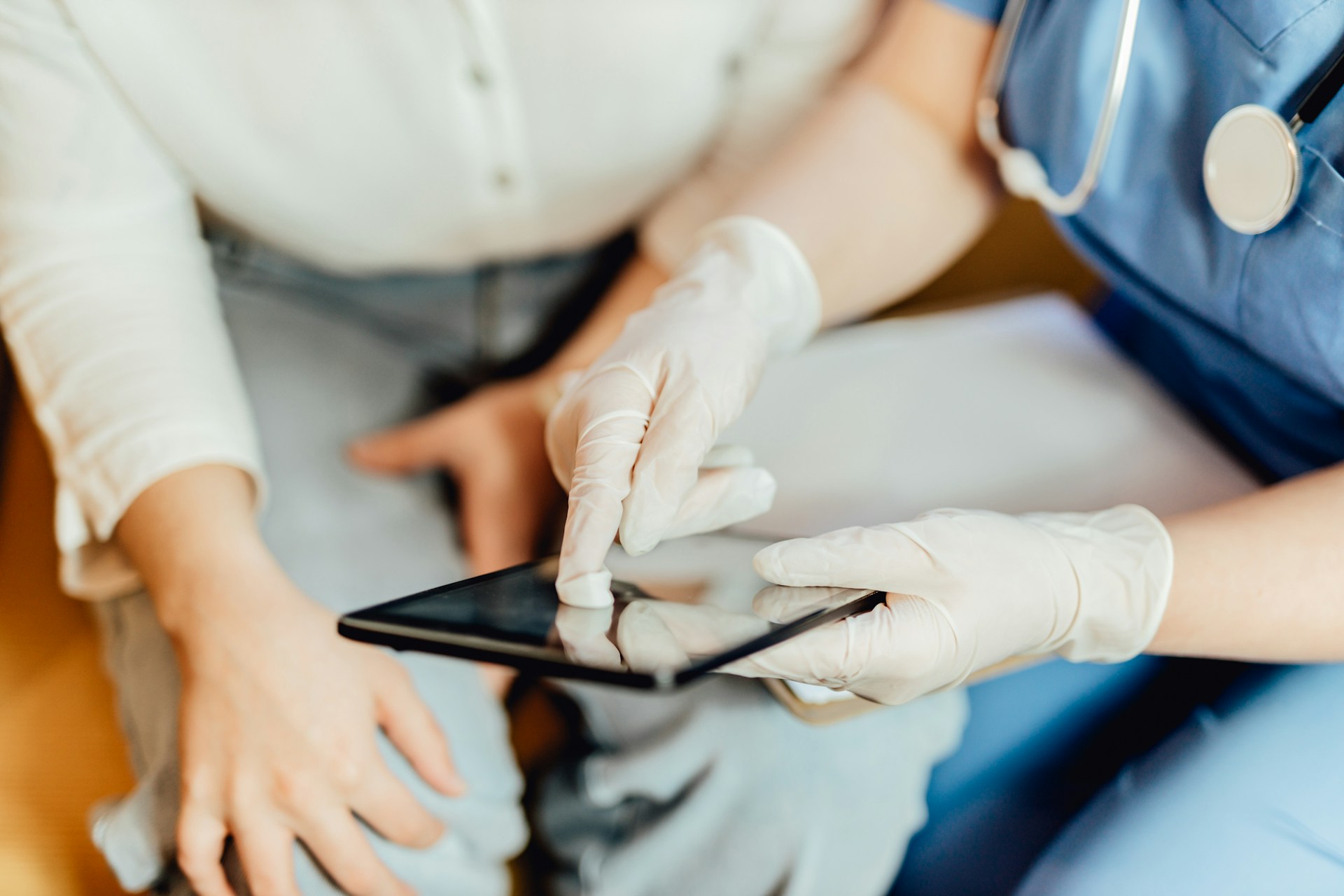
Keeping up with patient notes and documentation has always taken a huge chunk of time for healthcare professionals. The need for accuracy is high, but so is the pressure to move fast during appointments. Typed documentation or handwritten notes can slow things down. That’s where speech-to-text software makes a difference. It can take what you say and turn your words into clear clinical notes—right where and when you need them.
This shift from typing to verbal note-taking is helping more providers catch up with their workloads and focus on real-time interactions. Medical speech-to-text software puts decision-making power back in the hands of clinicians by giving them a faster and more natural way to document care. It frees them from screens and keyboards so they can turn their attention to patients.
Typing while trying to hold a conversation with a patient is no easy task. It’s easy to miss small but important details. Dictation software closes that gap by translating speech directly into text as you speak. You don’t need to change the way you talk, and you don’t have to memorize commands or train a system to recognize your voice.
Here’s how real-time medical speech-to-text software improves accuracy and saves time:
Think about a provider wrapping up an appointment and walking straight into the next room with finished notes already placed in the patient’s file. No delay, no extra steps. The chart is updated in real time from their spoken words. That seamless connection between speech and record improves workflow and helps professionals deliver care with less frustration.
Speech-to-text tools aren’t just about turning words into sentences. Many of them come with voice navigation that helps you move through the note-taking process hands-free. You can issue commands to correct, delete, insert, or shift to different fields in your system—all while staying in one flow.
Voice control keeps documentation smooth by:
This kind of setup makes documenting faster without losing precision. Users don’t have to pause, backtrack, or tap across screens. It keeps the process moving naturally. Whether you’re mid-appointment or wrapping up after rounds, voice control removes slowdowns that often come with electronic health systems.
Something as simple as turning a smartphone into a dictation tool can change the way providers handle their daily routines. With mobile microphone capability, clinicians can turn any workstation into a speech-to-text station. There’s no need to stay glued to a desk or carry around extra equipment. They just open the smartphone app, start speaking, and watch the notes update directly into their system.
This level of flexibility helps in many settings. Whether a provider is walking between exam rooms, covering patients in different departments, or needing to document while away from their usual workspace, having documentation tools right in their pocket helps them stay productive through the day. It also reduces delays caused by waiting to return to a desktop before inputting notes.
Here’s how mobile dictation makes daily tasks smoother:
Picture a hospitalist on rounds with limited time in each room. Instead of scribbling quick reminders or rushing through charts after hours, they can open their phone after each visit, speak their notes, and move on, knowing documentation is taken care of in the moment it’s needed.
Cloud-based medical speech-to-text software brings convenience and personalization together. With a single voice profile stored in the cloud, users can jump between devices without reconfiguring anything. There’s no need for repeated logins, waiting periods, or complicated setups.
Everything is saved and synced in real time. That means providers can access and use their custom commands, templates, and preferences wherever they’re working. From formatting routines and specialized vocabulary to adjusted auto-texts, each user can tailor the tool around their workflow and medical specialty.
Here’s what makes cloud-based customization helpful for clinical work:
This setup is especially helpful for clinicians who share computers or rotate across locations. They don’t waste time setting things up over and over. They just log in, start speaking, and continue with their day.
Technology should make a provider’s day easier, not more stressful. When tools are hard to use or don’t adapt to real work routines, they only add more pressure. But medical speech-to-text software that fits naturally into how you work just becomes part of the flow.
No more logging into fresh profiles or adjusting outdated templates. Fewer hang-ups mean fewer distractions. With real-time recognition and user preferences customized in one place, it’s easier to stay accurate and efficient.
It’s not only about speed. It’s about giving providers better tools to get through their day without the extra weight of clunky systems. When documentation adapts to your voice and schedule, it stops feeling like a chore and starts working for you.
Streamline your daily routine and spend more time with patients by exploring how medical speech-to-text software can simplify your clinical documentation. At Dragon Medical One, our real-time dictation tools are designed to reduce burnout and improve accuracy, giving you more control over your workflow with less effort.
Ready to revolutionize your clinical documentation process? Discover how Dragon Medical One combines real-time dictation with advanced medical speech-to-text software, giving you the flexibility and accuracy you need to enhance patient care. With our innovative tools, streamline your workflow and enjoy a less stressful day. Embrace technology that works with you, not against you, and spend more time focusing on what truly matters—your patients.