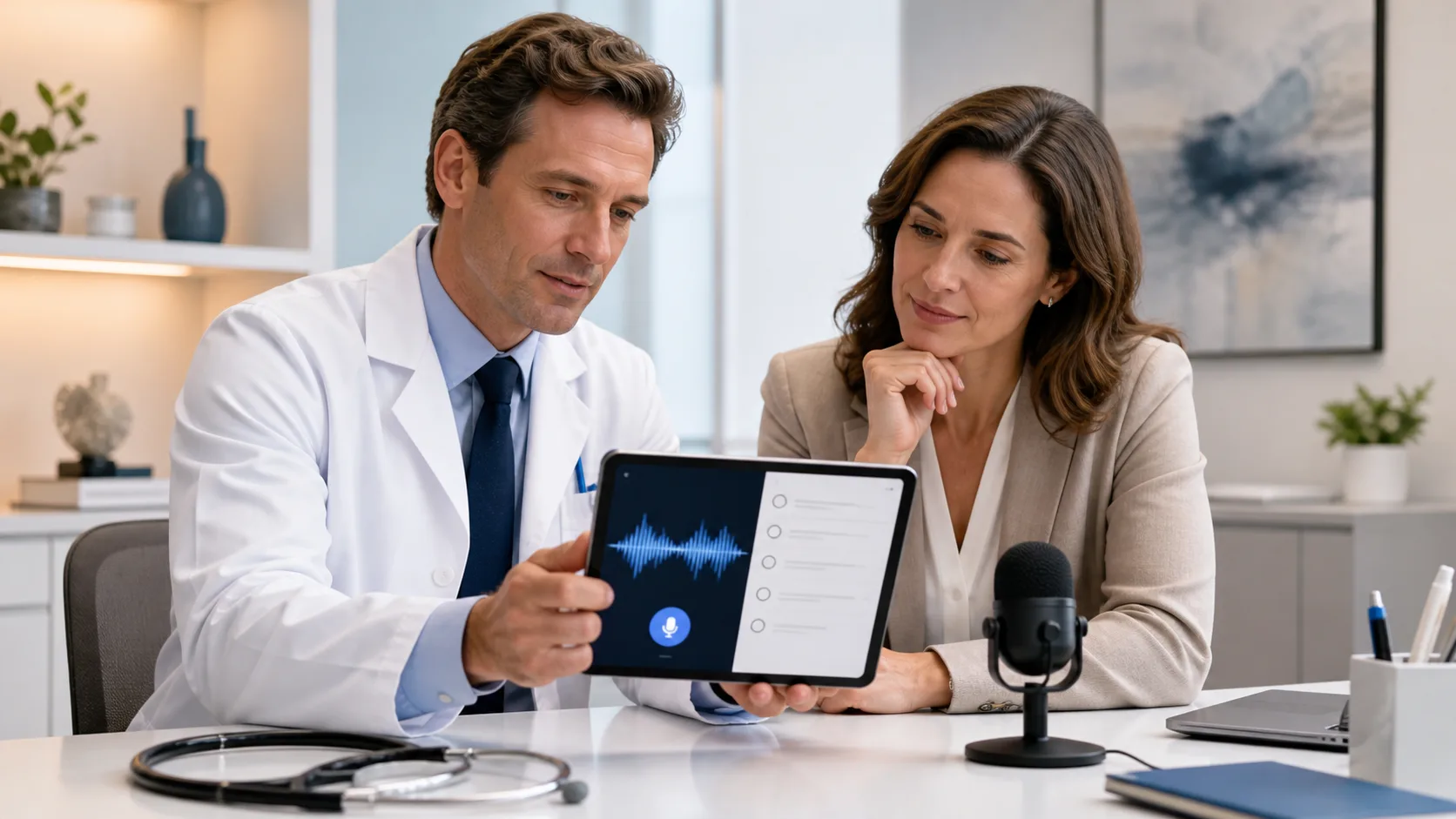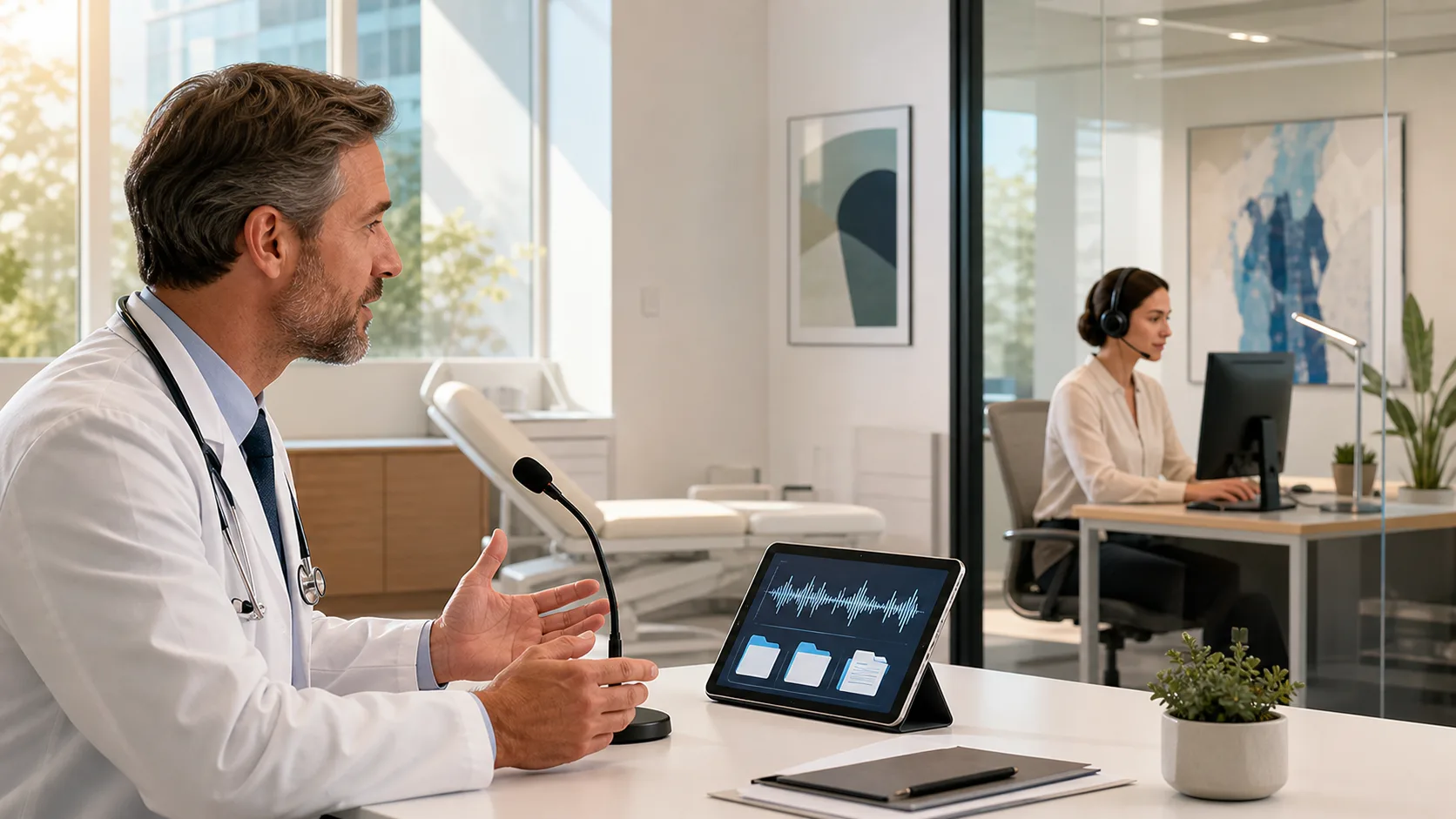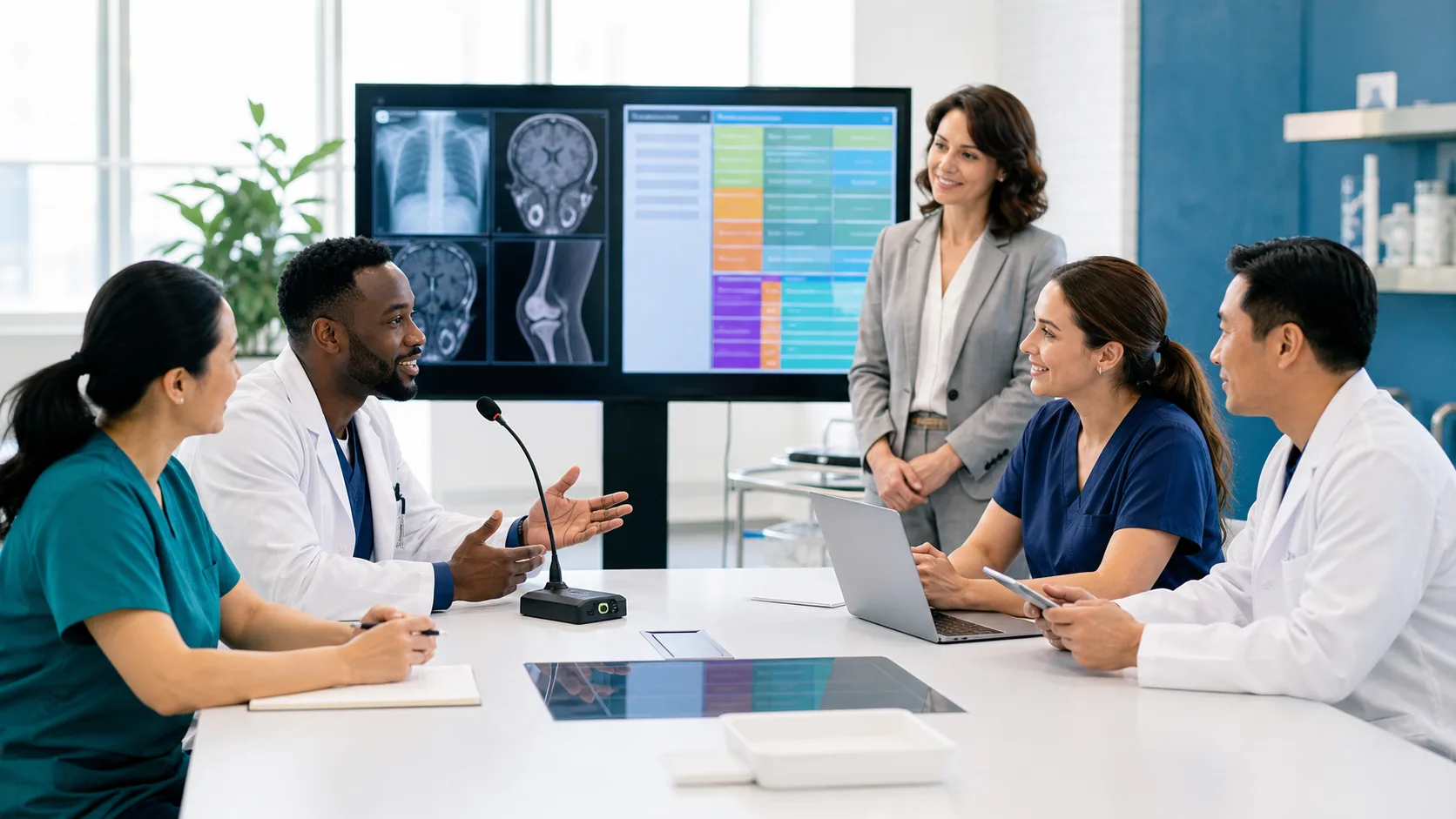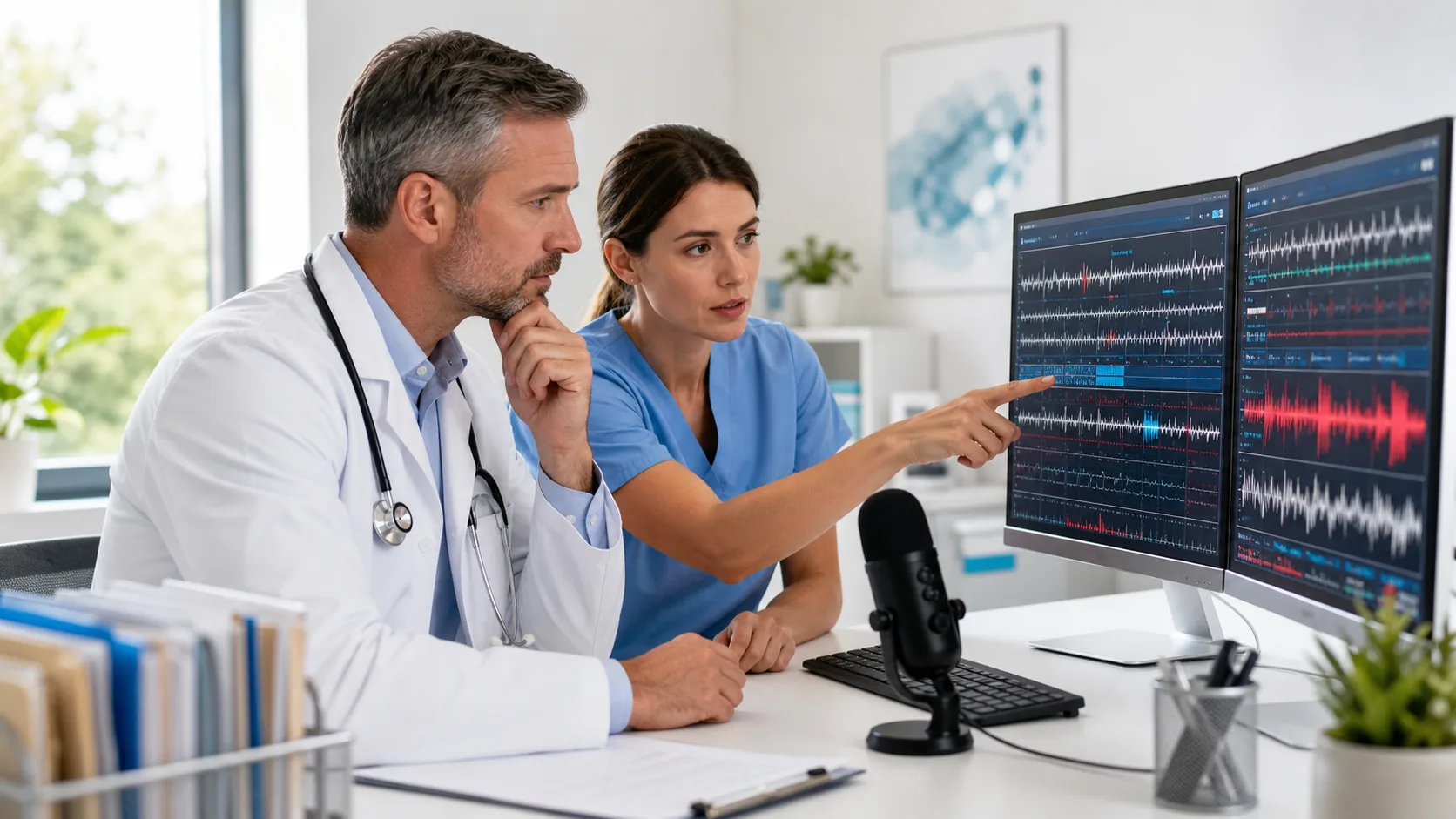
Speech to text medical transcription is a real-time way of turning spoken words into structured clinical notes. Unlike traditional transcription, this process does not involve voice recorders, long delays, or extra staff. Instead, it happens instantly as we speak, capturing details while they are fresh.
What sets it apart is that we are not leaving tasks for later. We are handling charting in the moment, which makes a full day of appointments feel more doable. As we move through busy workweeks, having a faster, more natural way to complete notes means we spend less time catching up and more time staying present with patients. This kind of transcription fits neatly into the flow of modern clinical care, especially in settings where time and accuracy both matter.
Compared to older manual methods, real-time speech-to-text provides a sense of immediacy that aligns with the daily pressures and demands of healthcare. Instead of separating the act of caring for the patient from the necessary record-keeping, clinicians can blend those tasks. This integration is crucial for reducing end-of-day backlog, preventing burnout, and improving the overall quality and reliability of the medical record.
Every clinical day includes a mix of exam rooms, intake notes, and follow-up planning. Getting through all of that without delays often depends on how we handle documentation.
In the spring, calendars get crowded with physicals, referrals, and follow-ups. When schedules tighten, the small time wins make the biggest difference. By speaking instead of typing, we handle documentation without falling behind during those peak stretches. It does not just save time, it lets us keep the day moving without cutting corners.
When the day is packed with appointments, little interruptions can cause work to snowball. Each patient brings a new set of concerns, and each encounter adds to the clinical record. By dictating notes during or immediately after visits, there is less need to circle back and fill in gaps at the end of a shift. This approach not only saves time but allows for details to remain accurate and thorough, since everything is recorded while it is still fresh in your mind.
The process might feel smooth on the surface, but there is a lot going on underneath when we use speech to text medical transcription tools.
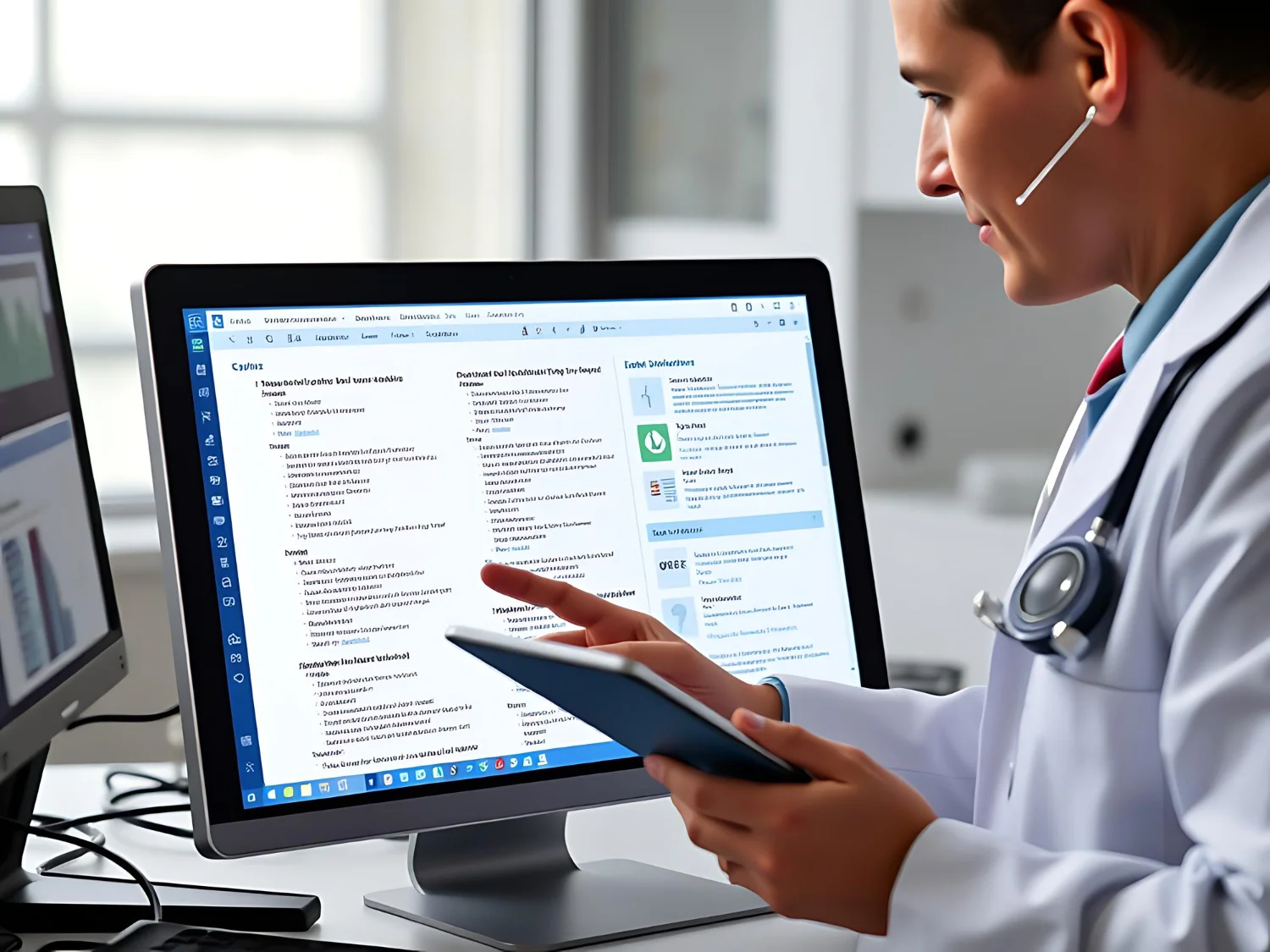
Dragon Medical One leverages real-time cloud-based AI to recognize medical speech with high accuracy and specialty-specific vocabularies. Clinicians can use voice commands to navigate, edit, and insert content directly in the EHR as soon as words are spoken.
There is no waiting involved. We do not need to press record or send files later. Everything happens live. That gives us flexibility to finish one task and flow into the next without doubling back to complete the record.
This invisible layer of artificial intelligence is continually learning, adapting both to the clinician’s voice patterns and to new medical terms as they are introduced. With each note, the tool grows more accurate and better suited to a user’s specialty and style. For teams that collaborate closely or rotate between specialties, this type of technology easily accommodates those needs, helping ensure that every provider sees clear, consistent documentation.
No two clinics use space the same way. We might share exam rooms, trade off workstation computers, or handle notes at home or between locations. When our tools keep up with those changes, everything works better.
Dragon Medical One provides PowerMic Mobile, a secure smartphone-based microphone app that allows you to dictate from anywhere in the clinic, with instant synchronization of personal templates and documentation settings between all devices.
That level of mobility keeps our day from getting stuck. Whether we are moving from one hallway to another or finishing up notes while standing at a shared terminal, the transcription stays just as consistent.
The ability for documentation tools to follow clinicians as they navigate different areas of a clinic, or even between remote and onsite work, means greater continuity. It also means a smoother handoff between team members, as notes are always up to date and easy to locate. The technology adapts, providing peace of mind that workflow will not be interrupted by technical glitches or missing settings.
Speed helps us keep up, but accuracy is what keeps things running well. When notes are clean from the start, we are not stuck fixing them, clarifying them, or answering follow-up questions later.
That combination of speed and accuracy does not just make charting easier. It helps us trust the notes, share them confidently, and keep our full focus on the clinical side of care.
In practice, this looks like fewer corrections and clarifications at the end of the shift, and less time spent explaining chart entries to other providers or administrators. The overall reliability of the electronic health record also improves, reducing risk for everyone involved. As healthcare grows ever more fast-paced and complex, achieving both speed and accuracy with documentation is no longer a luxury, but a necessity for efficient and coordinated care.
Small changes in how we work can ripple through the rest of the week. With speech to text medical transcription, we reduce the slow parts of charting and bring our attention back to the parts that need it most.
Spring stretches bring heavier days, longer visit lists, and tighter timelines. Tools that keep pace with our work let us meet those demands without dragging them into the evening. When we speak our notes in real time, there is less to remember and less to rewrite. We stay focused, stay current, and finish strong.
By consistently finishing documentation throughout the day, we prevent extra work from spilling into personal time. This approach also lifts the overall mood and productivity of clinical teams, who can depend on each other’s notes and work together to address urgent cases. In a field where every minute counts, these accumulated time savings can lead to better outcomes across the board.
Spend less time typing and more time focused on care with Dragon Medical One. Our tools are built to work wherever your day takes you, from the office to a shared station or your phone between rooms. By using speech to text medical transcription, clinicians like us can simplify charting without sacrificing quality. Dragon Medical One supports the fast pace of today’s healthcare environment. Contact us at Dragon Medical One to see how it can improve your workflow.