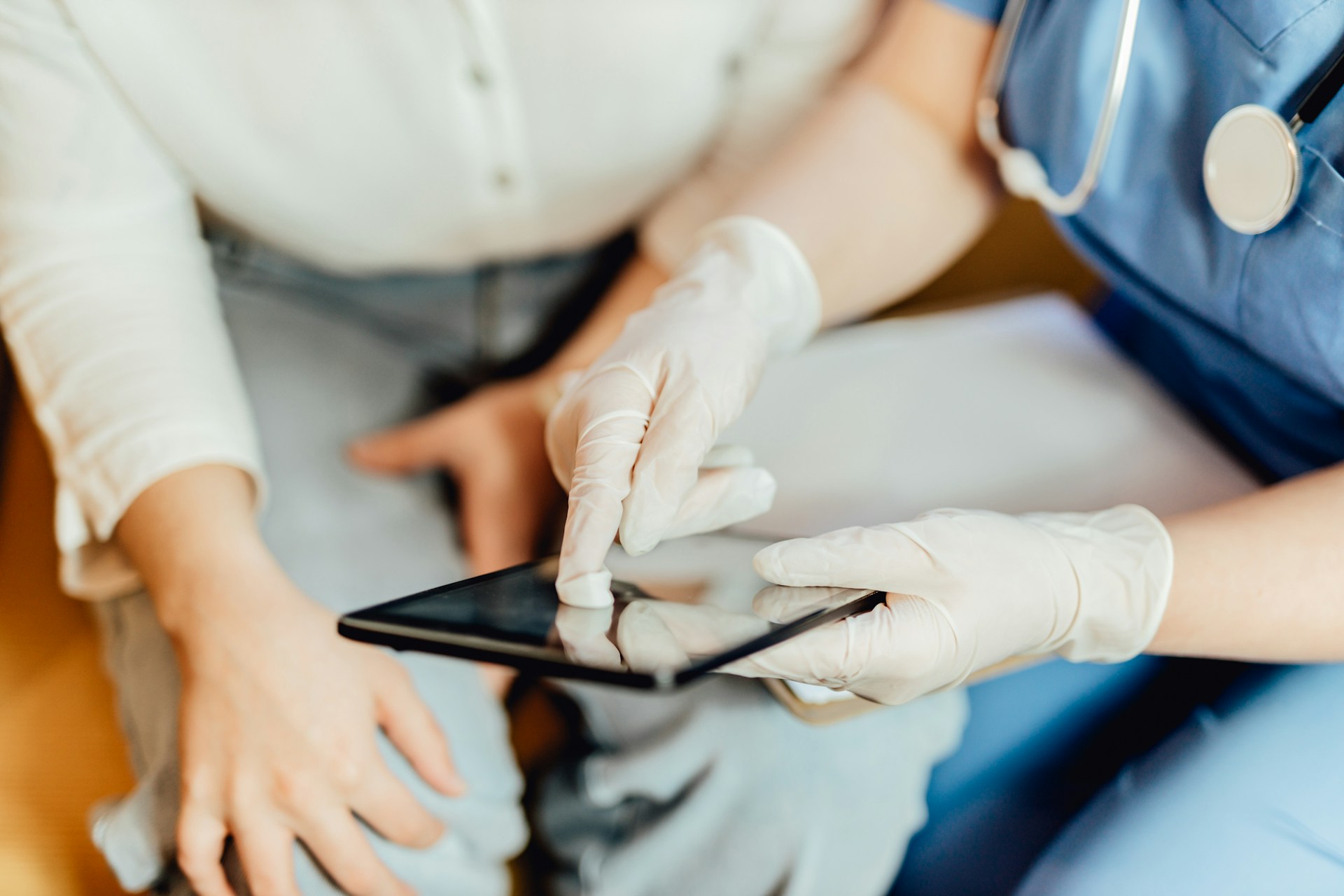
A good headset can be all it takes to make medical dictation run smoothly, whether we are working in an exam room, moving between patient stations, or reviewing notes from a home office. During the summer months, when patient volume stays high and many clinicians aim to stay flexible, carrying less gear helps. A headset setup that is simple and reliable can keep our workflow efficient, even when days are long and hot.
For those of us looking to document quickly without extra equipment, a headset-only setup is a good place to start. When we pair the right hardware with smart habits and a clear environment, it supports accurate speech-to-text on the move. Here is how that kind of setup works best.
Not all headsets perform the same, especially when it comes to dictation. A few details can make or break the audio quality that drives strong transcription.
For long shifts, comfort matters. If a headset feels too tight or shifts around, it can distract us or make dictation less reliable. We want something that balances secure audio with all-day wearability.
Dragon Medical One works seamlessly with a variety of high-quality, noise-canceling headsets and is optimized for healthcare environments where shared spaces may add to background noise.
Even with a solid headset, our settings need to match our tools. Otherwise, speech might not register properly, or we could end up fighting background interference.
If we are moving between applications or opening a laptop in a new space, doing a quick mic test before starting helps us avoid errors mid-note. Clear settings keep the experience seamless.
Dragon Medical One’s cloud-based software adapts immediately to input device changes and integrates real-time audio calibration so clarity and accuracy remain high across any approved setup.
Location still plays a role in dictation quality. Quiet areas make it easier for our software to interpret what we have said the first time, without needing repeat phrasing or heavy corrections.
We cannot always control our environment, but whenever we do have a choice, it is helpful to pick a voice-friendly spot to save time later.
Fast note-taking often depends more on our habits than our hardware. A headset handles the input, but how we speak into it matters just as much.
Getting comfortable with verbal documentation takes practice. Over time, we spend less effort correcting transcripts and more time finishing notes between visits.
Dragon Medical One supports natural-language commands and auto-texts, allowing real-time navigation, correction, and formatting without removing your hands from the headset.
Many of us are not sitting in the same chair all day. Whether it is rounding, consulting in different rooms, or supporting multiple locations, our setup needs to move when we do, especially when summer heat and trips off-site increase.
A small prep checklist helps avoid dropped entries or repeated setup headaches. Our goal is to speak once and move on, no matter where we go next.
Dragon Medical One’s PowerMic Mobile allows secure use of any headset for dictation to a mobile device, and all user preferences and settings travel with you, ensuring seamless workflow anywhere you work.
Medical dictation works best when it fits naturally into our routine. Sometimes the only thing we need to improve it is a solid headset and some smart setup choices. It is not about high-end gear or complex programs, just finding what helps our voice carry clearly into our workflow.
When we do not have to repeat ourselves or pause to fix every sentence, it is easier to focus on what matters most during full clinical days. As summer ramps up and schedules stay packed, these small adjustments can make documentation feel more manageable from start to finish.
At Dragon Medical One, we are dedicated to helping you spend less time editing and more time finishing notes by streamlining your workflow and removing barriers to fast, accurate documentation. Wherever you work, remotely, between exam rooms, or on the go, a reliable app connection and simple headset setup make all the difference. To see how our software supports effective medical dictation, connect with us today.