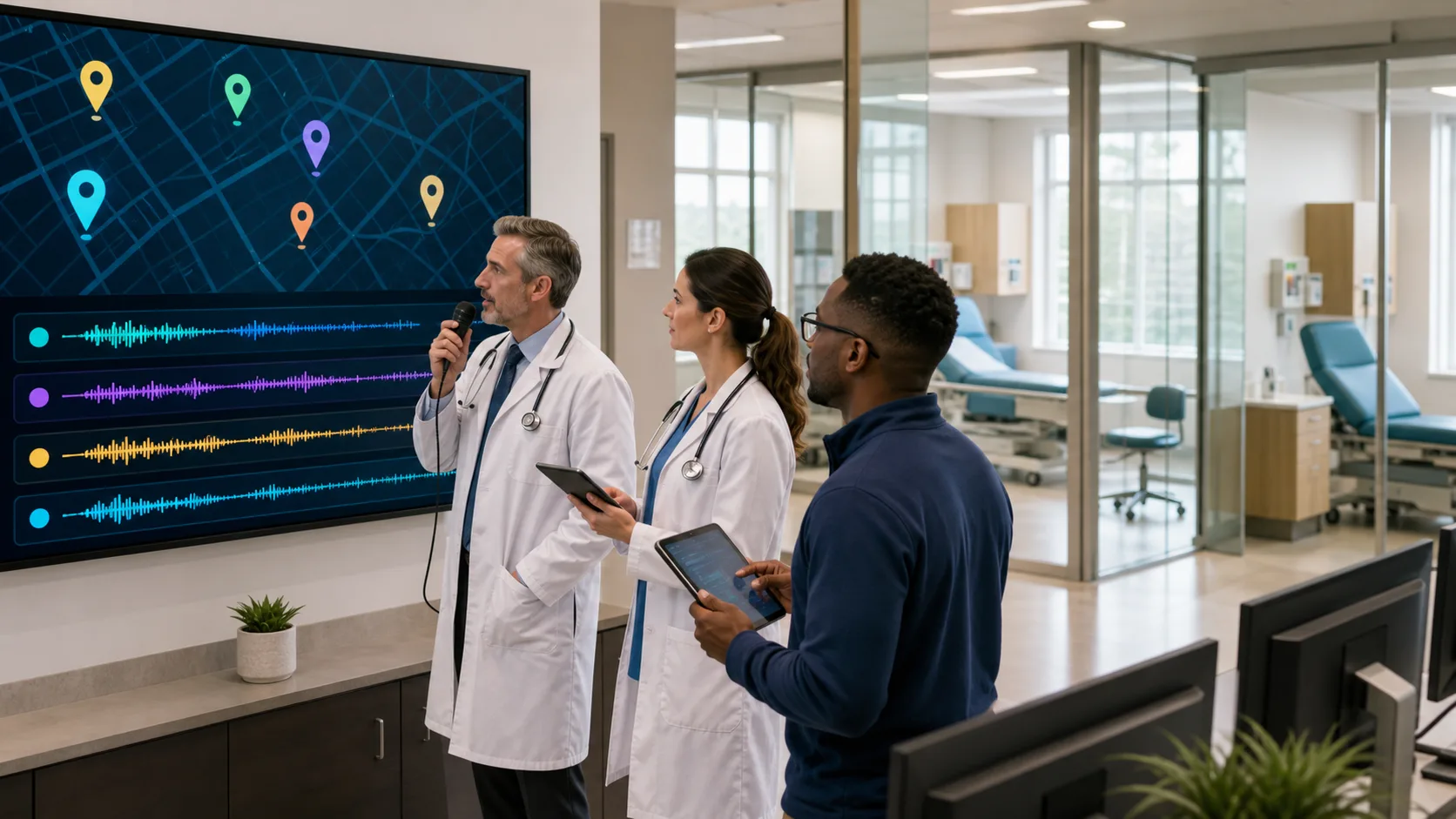
Clinical notes created with dictation software can be fast, clear, and safe, or they can create extra work and risk. The difference comes down to how we think about medical transcript quality and the tools and habits we use every day. When schedules are packed and everyone is tired, the quality of each note matters even more.
As clinics hit the late-summer “back-to-busy” season, visit volumes rise, respiratory complaints pick up, and documentation stacks up. In this rush, we still need every transcript to be accurate, complete, and ready for billing and review. In this article, we will look at what makes a high-quality medical transcript, how dictation software helps or hurts, and how cloud speech recognition can support safer, faster notes.
Quality is more than “the words look right.” A strong medical transcript carries the full story of the visit in a clear, structured way.
Here is what that really means today:
Clinical accuracy is not just spelling a term correctly. The note has to capture:
Small errors in these areas can change how someone reads the chart, which can affect diagnosis, orders, or follow-up. When many hands touch a chart across urgent care, primary care, and specialty clinics, consistent wording also helps everyone stay on the same page.
A high-quality transcript is also structured in a way that supports billing, audits, and medico-legal review. Clear time stamps, problem-oriented assessments, and readable plans help defend clinical decisions and support payer requirements. When notes are tidy and complete, prior authorizations and quality programs move more smoothly too.
Most clinicians already know the basic upside of dictation. Speaking is usually faster than typing, and it can feel more natural after a long day on the floor or in exam rooms. Many tools do a good job with common medical terms and simple formatting, like “new paragraph” or “start bullet list.”
But there are common weak spots that slowly chip away at transcript quality:
Consumer-style dictation tools are not tuned for medical language. They can struggle with specialty terms, heavy accents, or noisy work areas. When that happens, it can look fine at first glance but hold small, risky errors.
Human habits can also drag quality down, even with good software. Stream-of-consciousness dictation leads to tangled, hard-to-read notes. Skipping the quick review at the end means mistakes slide through. Poor microphone placement or talking too fast makes even strong tools work harder than they should. The good news is that simple training and smart workflows can fix much of this.
Cloud-based medical speech recognition, like Dragon Medical One, is built to support clinical use, not casual use. Because it lives in the cloud, the system can stay current with new drugs, devices, and clinical terms without local updates. This matters when late summer and fall bring new vaccines, respiratory therapies, and changing protocols.
A few key strengths stand out:
Specialty-aware recognition helps with tricky terms in areas like cardiology, oncology, or behavioral health. Context also matters. For example, the system can learn to tell the difference between sound-alike words such as “ileum” and “ilium” based on how they are used in a sentence. That cuts down on the kind of homophone mistakes that can confuse readers or affect care.
Direct dictation into the EHR helps as well. When clinicians speak directly into problem lists, orders, and assessments, there is less copy-and-paste, fewer side windows, and fewer chances to mix up patients or notes. Voice commands and templates make it easier to capture allergies, chronic problems, and follow-up plans in the same way across visits.
Even the best platform still depends on how we use it. A few simple habits can raise the quality of every medical transcript.
Start with a repeatable pattern. Many teams like a clear order such as:
Speaking section changes out loud, such as “Review of systems:” or “Assessment and plan:”, gives structure to the note. Standard phrases and macros keep key details, like return precautions or medication counseling, the same from visit to visit.
We also need to “speak for the system.” That means:
At the end of the note, a short review is worth the minute. Focus on:
Correcting errors in real time helps the note you are working on and teaches the system over time. The next encounter should start on a higher baseline of accuracy.
It is easy to rely on hunches, like “I think my notes are better now.” But clear metrics help teams know if dictation workflows are truly working.
Some helpful measures include:
These numbers tie back to patient safety and experience. When notes are right the first time, there is less confusion, fewer calls for clarification, and a smoother handoff between settings.
EHR logs and speech-platform data can show patterns by location, specialty, or provider. IT and clinical leaders can use this to refine templates, build better voice commands, or target short training sessions where they will have the biggest impact. Before the fall and winter rush, many groups plan a quick “tune-up” that includes microphone checks, updated templates for seasonal illnesses, and a refresher on best dictation habits.
As a team focused on Dragon Medical One at DragonMedical.One, we see how thoughtful use of speech recognition can turn dictation into reliable, high-quality medical transcripts. When speed and accuracy grow together, clinicians protect their time, support safer care, and head into the busy months with more confidence and less charting stress.
If you are ready to simplify documentation, our team at DragonMedical.One can help you turn every note into a precise medical transcript. We focus on accuracy and speed so you can spend more time on patient care and less on manual typing. To discuss your workflow or get tailored guidance, reach out through our contact page.