Clinical work tends to move fast, and during packed days, the pressure adds up early. From reviewing charts and prepping exam rooms to keeping patient conversations on track, you can lose time before the day even feels started. It is not usually the big things that trip us up. It is the accumulation of small delays, retyping a note, switching screens, tracking down a missing detail.
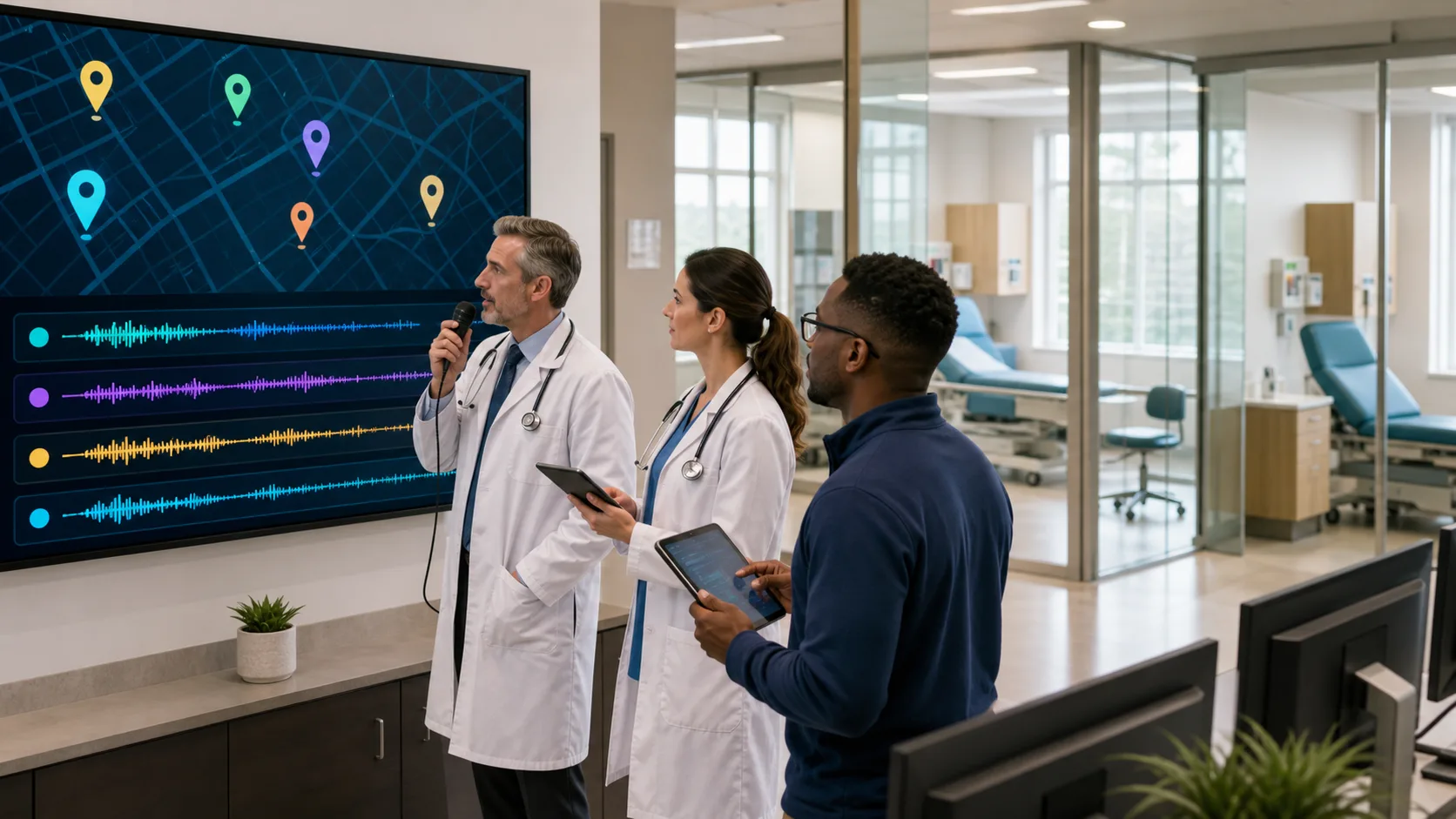
This is where speech recognition in healthcare really changes the pace. Instead of typing through a backlog or clicking through drop-down menus, we speak and the notes appear. What once dragged down our flow becomes a quick part of our routine. Over time, those seconds add up. The day does not feel quite as heavy, and we spend more time focused where it matters.
The first few hours often decide how the rest of the day will feel. If things get off track during morning clinic, catching up becomes the new focus. Most of that struggle comes from time lost between visits. Those delays often hide in the details, opening the record, placing the cursor, recalling what happened in the room just a few minutes ago.
Here is how voice tech smooths that out:
Dragon Medical One offers cloud-based, real-time speech recognition that delivers instant documentation right into your EHR on any Windows device. With no training required, clinicians can get started immediately, using specialty vocabularies and programmable auto-texts to finish notes faster.
We are no longer reacting to a pile of overdue documentation. We are getting ahead of it in small, continuous moments. And when that happens, the morning does not control us, we shape how it runs.
You cannot listen closely and type quickly at the same time. Most of us end up staring at the screen, knowing we should be focused on the person in front of us. That tug of attention makes the visit feel mechanical. We miss cues. We review the same info twice. It takes more time than we intended.
Letting words flow naturally changes the pace and tone of the visit. When we speak instead of type, we hold eye contact more often. Our hands are free. Documentation stops feeling like a second task tugging from the corner of the screen.
Even more helpful, spoken notes tend to be more complete. We remember what was said because we document in the moment, not during some later attempt to piece it together. Small tasks feel less like interruptions. We keep our awareness in the room, and the patient knows it.
Most clinicians do not stick to a single room all day. One shift might involve time at the front station, a shared laptop, and personal workspace. The next might include two different clinics. Flexibility becomes part of the job, and our tools need to follow us.
That is where a cloud-based setup matters most:
Dragon Medical One syncs personal voice profiles, templates, and auto-texts across every workstation and mobile device using PowerMic Mobile. This flexibility allows clinicians to dictate from any location without delay, keeping every environment ready for fast note-taking.
Each location feels familiar because we are not starting from scratch each time. That kind of consistency allows us to focus on the visit, not the setup. We move from place to place without adapting our workflow, which makes everything run smoother.
The work does not always end when the last patient leaves. Rewriting notes, catching forgotten details, and cleaning up formatting can stretch well past the end of the day. And after-hours work comes at a cost. Time lost to the screen is time not spent with family, resting, or getting ready for tomorrow.
Voice control tools help us stay caught up while we are still in flow:
By the end of the day, there is less cleanup. That shift might seem small, but shaving off even one task after hours helps the rest of the workweek feel less heavy. And less mental clutter means better focus going forward.
The work itself has not changed. We are still seeing the same patients, answering the same questions, and documenting just as thoroughly. What changes is how steady it all feels. Speech recognition in healthcare takes the tension out of the small stuff. Instead of catching up, we stay with the pace from the beginning.
When each part of the workflow lines up and nothing feels like a chore waiting for a window of time, the day feels more doable. Over time, that rhythm helps our work feel sustainable, not exhausting. And that matters more than ever. The right tools do not just save time. They protect the structure of our day, piece by piece, visit by visit.
At Dragon Medical One, we have developed tools to help you spend more time with patients and less time on paperwork, even when your schedule is packed. With features like hands-free commands and cross-location workflows, every solution we create is focused on simplifying your experience with speech recognition in healthcare. Let us help you find the setup that streamlines your routine and makes your workday easier, reach out today to get started.