There is nothing new about having to document care quickly. For years, clinicians have relied on typing as the main way to enter notes, but in busy settings, typing often turns into a slow point in the day. The extra time it takes to put thoughts into words with a keyboard can wear on routines and slow down momentum between visits.
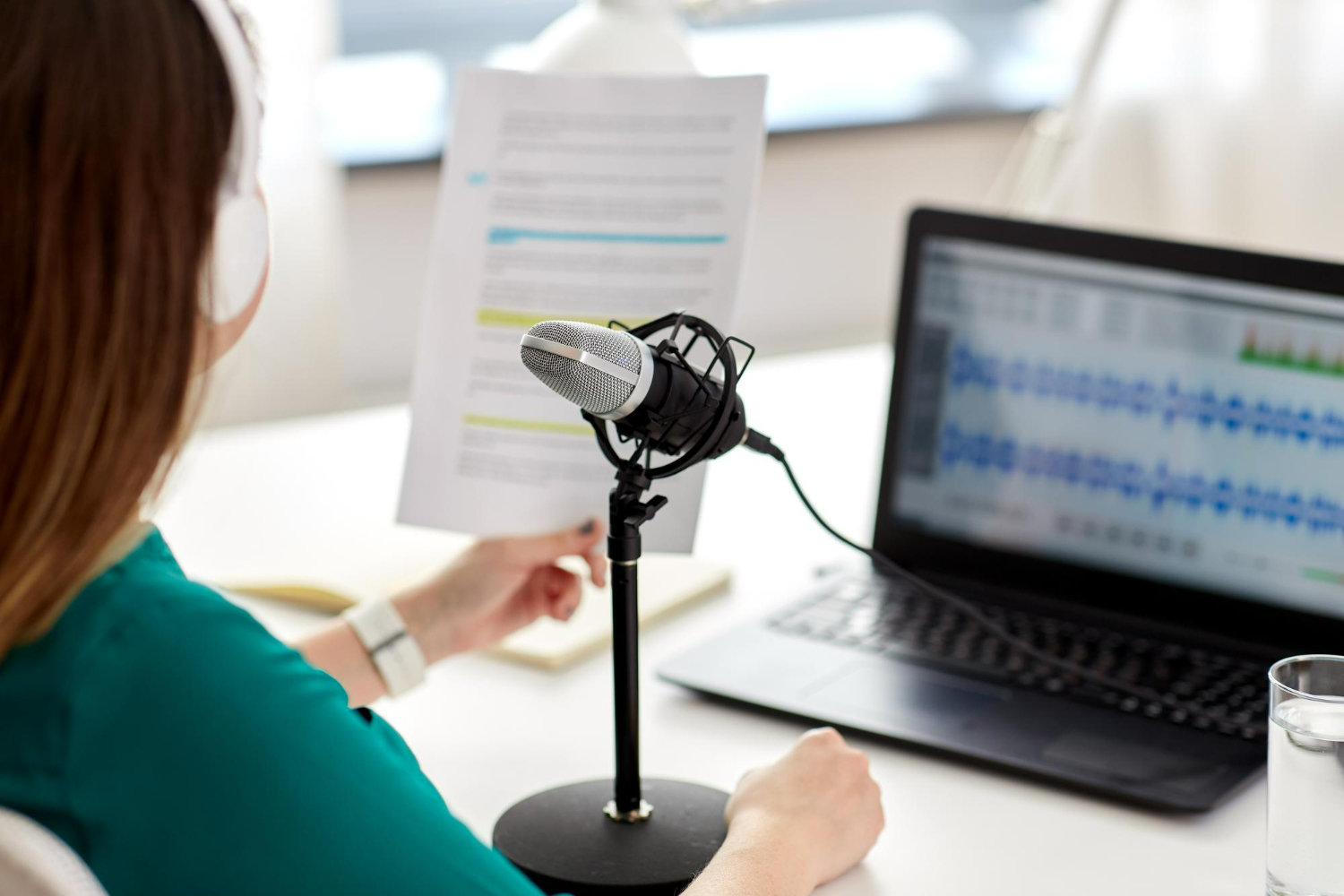
Medical dictation works differently. Speaking notes out loud cuts back on delays, letting us document right as we think. That speed matters, especially when we are moving between patients, reviewing charts, or finishing up after a long shift. Dictation brings a pace that feels closer to how we naturally work, which is why it often fits better than typing when time is short.
Most of us think and speak faster than we type. Even if we are good at typing, our thoughts can still get ahead of what ends up on screen. It can feel like we are always trying to catch up. When we are focused on a patient or recalling something detailed, that pause between thinking and typing can make it harder to keep the wording smooth and complete.
• Typing slows down natural thought during documentation
• Fast-moving ideas are easier to capture out loud than by hand
• Voice-to-text tools help preserve full details with less interruption
With dictation, there is less chance of skipping parts of a note just to save time. We can speak the way we think, and the structure often builds itself. This helps with both clarity and avoiding gaps later.
Dragon Medical One uses cloud-based speech recognition, offering seamless integration with popular EHRs and high accuracy without the need for voice training. You can dictate in real time from any Windows device, capturing every detail at your natural pace.
Keeping focus during busy days is hard enough without extra screens pulling us away. Typing makes us stop, turn to a device, and switch attention from the patient. That shift, even when small, can break the flow of care.
• Manual typing takes focus away from the patient or procedure
• Switching between keyboard, screen, and conversation interrupts thought
• Speaking notes keeps eyes and attention on the task in front of us
Dictation lets us move through the clinical day with fewer stops. When documentation flows with speech, we do not have to constantly break our focus to keep up with the record.
It never takes long for unfinished notes to stack up. With typing, the time spent catching up at the end of the day can drag well into the evening. Sitting down later to recall a visit from seven hours earlier is tiring, but it often means missing key moments or details.
• Typing keeps notes stuck in a queue until there is extra time
• End-of-day documentation brings more mental strain and chance of error
• Speaking notes as part of the visit keeps everything current
When we document in real time, even just a few lines at a time, we take pressure off later. Time-sensitive notes stay accurate, and memory stays fresher. That helps us keep records honest and complete.
With Dragon Medical One, clinicians can create and review documentation on the go, using PowerMic Mobile or a range of compatible microphones. Profiles and preferences are stored in the cloud, so notes remain accurate and current across any workstation.
Most of us are not at the same desk all day. Depending on the shift, we may move between rooms, floors, or even buildings. Stopping to log into a new system each time slows things down and adds hassle we do not need.
• Mobile mic options let us dictate anywhere
• Cloud-based tools travel with us, saving time at each station
• Profiles that carry over reduce wait time and rework
Using smartphones as microphones can turn any workstation into a dictation point. We do not have to be locked into one spot. This flexibility matters when the flow of the day keeps moving.
Dragon Medical One enables clinicians to dictate securely from any location, ensuring consistency with real-time syncing and customizable auto-texts for specialty-specific vocabulary.
By late February, the push of winter starts to ease up, but routines do not always get easier right away. Energy is lower, and it is easy to fall behind without meaning to. Saving just a few minutes here and there can make a big difference as we get ready for the season to change again.
• Shorter documentation sessions ease afternoon and evening strain
• Finishing records before leaving helps us start clean the next day
• Less keyboard work means less strain at the end of a long stretch
We do not just save time with better tools, we save energy. As spring approaches, having room to breathe in the schedule can help reset pace and reduce burnout.
Medical dictation works where typing cannot keep up. It follows the way we think, speak, and move during the day, instead of forcing us to stop and adjust. When we trade a keyboard for our voice, we get back more time for the parts of our work that matter most.
Using our voice to document might not seem like a big shift, but it adds up fast. Less clicking, more clarity, and fewer delays all lead to notes that are easier to finish and easier to trust. And once it becomes part of the routine, everything else starts to run a little smoother too.
Staying on pace without missing important details is important in today’s fast-paced medical environment. At Dragon Medical One, we have developed solutions that seamlessly connect thought to record so you can focus on patient care without interruptions. When you use medical dictation during or after visits, timely and accurate notes become the norm, not an after-hours burden. Reach out whenever you are ready to transform your documentation process.